
Is HireVue the Right AI Talent Platform for Your Organization?
This 2-Minute Quiz Reveals the Answer!
Key Takeaways
- AI-Powered Assessment: HireVue uses natural language processing and game-based assessments to evaluate candidates based on job-relevant competencies, eliminating subjective bias inherent in traditional hiring methods.
- Flexible Interview Process: Candidates complete on-demand video interviews at their convenience, with unlimited practice sessions and standardized questions ensuring consistent evaluation across all applicants.
- Measurable ROI: Organizations typically achieve 25-50% reduction in time-to-hire, 10-15 hours per week saved per recruiter, and improved quality of hire with reduced first-year turnover rates.
- Comprehensive Compliance: HireVue maintains SOC 2 Type II and ISO 27001 certifications, conducts regular bias audits, and provides transparency documentation to meet GDPR and NYC Local Law 144 requirements.
- Enterprise Integration: The platform offers sophisticated integration with major ATS platforms like Workday and SuccessFactors through pre-built connectors, enabling seamless bi-directional data synchronization.
Understanding how to leverage AI-powered talent acquisition platforms is crucial for modern HR professionals seeking to optimize their recruitment processes. This comprehensive guide answers the most frequently asked questions about HireVue Overview and Features, helping you make informed decisions about implementing this enterprise-grade solution.
Watch this comprehensive tutorial to understand how HireVue’s AI-powered platform works in practice:
What is HireVue and how does it use AI in the hiring process?
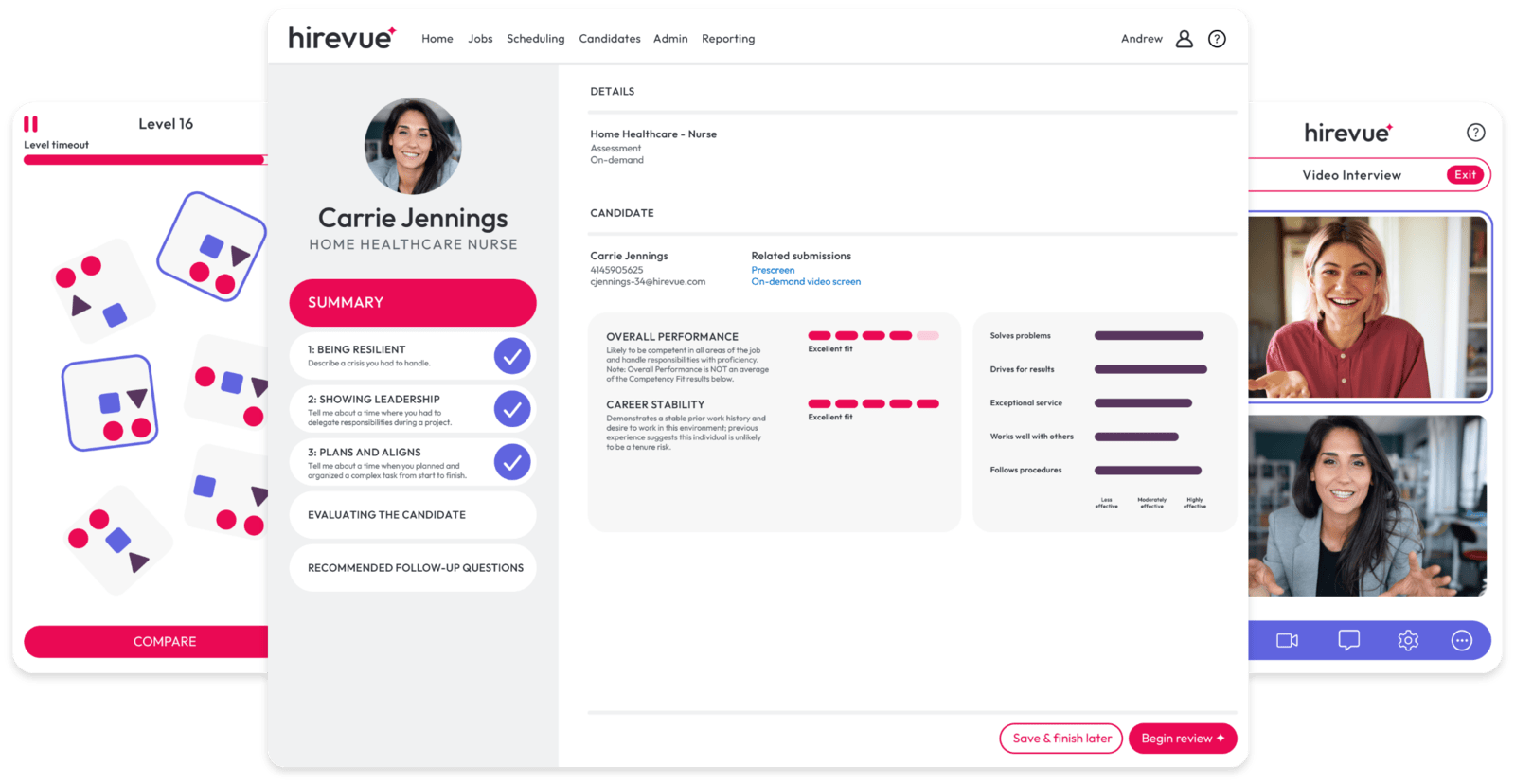
HireVue is an enterprise-grade AI-powered talent acquisition platform that transforms traditional hiring processes through data-driven assessment technologies.
The platform leverages artificial intelligence to analyze candidate qualifications beyond what’s possible with manual resume screening, focusing specifically on job-relevant competencies and cognitive abilities.
HireVue’s AI operates through three primary mechanisms: structured video interviews, game-based assessments, and workflow automation.
In on-demand video interviews, the AI analyzes transcribed text responses against predefined job competencies, ensuring consistent evaluation of skills and experience across all candidates.
The game-based assessments measure cognitive traits like problem-solving and emotional intelligence through interactive challenges that generate thousands of objective data points.
Meanwhile, the platform automates administrative tasks such as interview scheduling and candidate communication, freeing recruiters to focus on strategic relationship-building activities.
This comprehensive approach enables organizations to identify top talent more efficiently while reducing subjective bias inherent in traditional hiring methods, ultimately creating a more equitable and effective selection process that emphasizes measurable job-relevant qualifications over superficial characteristics. For a deeper dive into the platform’s capabilities, check out our detailed HireVue Review.
How does a HireVue on-demand interview actually work for a candidate?
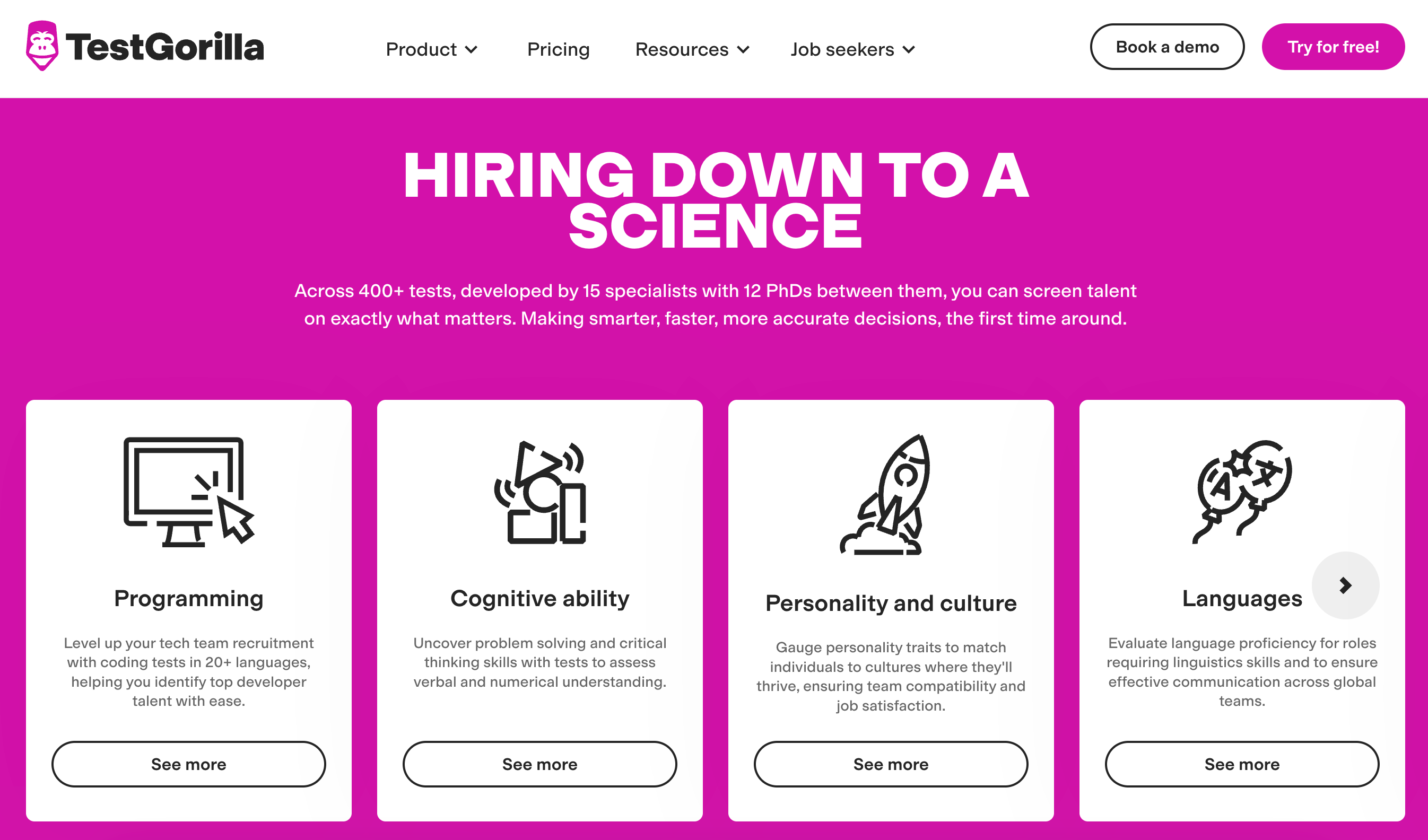
A HireVue on-demand interview provides candidates with a flexible, structured asynchronous screening experience that mirrors the consistency of standardized assessment while accommodating individual schedules.
Candidates receive an email invitation containing a unique link to access the interview platform through either a web browser or mobile app.
Before beginning the actual assessment, candidates are offered unlimited practice questions that allow them to test their audio/video equipment, become comfortable with the interface format, and reduce interview anxiety—these practice sessions are not recorded or reviewed by the employer.
Once the official interview commences, candidates encounter a series of predetermined questions displayed on-screen, typically with 30 seconds to prepare their response followed by 2-3 minutes of recording time for each answer.
The system automatically transitions between preparation and recording phases, and candidates cannot re-record their responses, ensuring authentic and spontaneous answers similar to live interview conditions.
This standardized approach guarantees that every applicant receives identical questions, time allocations, and recording conditions, eliminating variability in the assessment process and providing employers with comparable data points across all candidates while maintaining the convenience of self-scheduled completion. Learn more about practical applications in our HireVue Tutorials and Usecase guide.
What are HireVue’s game-based assessments and what do they measure?
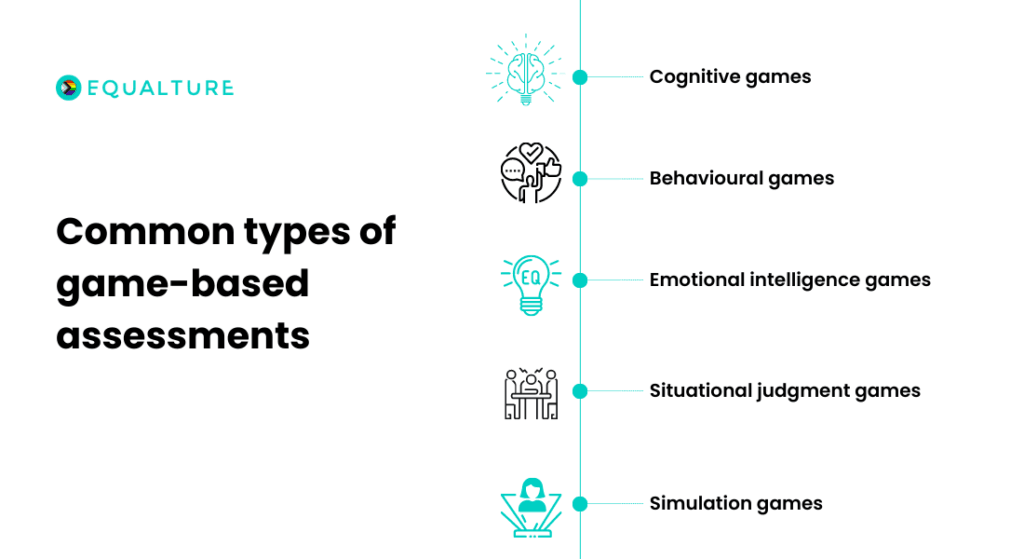
HireVue’s game-based assessments represent a sophisticated approach to measuring cognitive and emotional attributes through engaging, interactive challenges that generate objective behavioral data points.
These assessments move beyond traditional self-report questionnaires by analyzing how candidates naturally respond to game-like scenarios, providing insights into fundamental traits correlated with job performance.
The games measure cognitive abilities including:
- Problem-solving patterns and analytical thinking
- Numerical reasoning capabilities
- Attention to detail under time constraints
- Information processing speed
Emotional intelligence measurements capture traits such as:
- Empathy and social perception
- Impulse control and resilience
- Decision-making balance between short-term rewards and long-term outcomes
Work style attributes like methodicalness, planning orientation, and adaptability are inferred from gameplay behavior patterns rather than self-described preferences.
Unlike traditional assessments where candidates might attempt to present idealized responses, these games focus on actual performance behaviors, creating a more authentic profile of a candidate’s natural capabilities.
The resulting data complements interview responses to form a holistic view of applicant qualifications, helping organizations identify candidates whose fundamental cognitive and emotional traits align with role requirements and organizational culture.
How does HireVue address and mitigate algorithmic bias?

HireVue employs a multi-layered approach to algorithmic bias mitigation that combines technical safeguards, transparent processes, and ongoing validation to ensure fair and equitable hiring outcomes.
The platform’s primary defense against bias begins with its fundamental design—focusing exclusively on job-relevant competencies rather than demographic characteristics.
The AI analyzes only transcribed interview text and game assessment data, intentionally blinding itself to all demographic information including name, gender, age, ethnicity, and appearance-related factors.
This content-focused approach ensures evaluations are based on what candidates say and how they perform rather than who they are.
HireVue conducts regular bias audits using sophisticated statistical methods to detect any adverse impact against protected groups, with these audits performed by both internal teams and independent third-party organizations to ensure objectivity.
The training data used to develop assessment models undergoes rigorous vetting to remove biased language and irrelevant characteristics, while the algorithms themselves are designed to prioritize transferable skills and competencies directly linked to job performance.
Additionally, the platform provides comprehensive transparency reports and compliance documentation to help organizations meet regulatory requirements such as NYC Local Law 144, which mandates bias auditing for automated employment decision tools.
This systematic approach creates a more objective evaluation framework than traditional unstructured interviews, where human biases often influence hiring decisions unconsciously.
How does HireVue’s AI analyze interviews without using facial analysis?
HireVue’s AI analyzes interviews through a sophisticated natural language processing (NLP) pipeline that focuses exclusively on the linguistic content of candidate responses, completely eliminating facial analysis from its evaluation methodology.
The process begins with high-quality audio transcription that converts spoken responses into text format, preserving the complete verbal content while disregarding visual elements.
The NLP engine then parses this text to identify specific words, phrases, and conceptual patterns that demonstrate job-relevant competencies predefined for each role—for example, if “strategic thinking” is a key competency, the algorithm looks for evidence of long-term planning, scenario analysis, and consideration of multiple perspectives in the candidate’s language.
The system generates competency scores based on the strength and frequency of these evidence markers, providing quantitative assessments of how well each candidate’s responses align with the desired qualifications.
This approach maintains perfect consistency across all evaluations, as the AI applies the same criteria to every candidate without being influenced by presentation style, accent, speech patterns, or visual characteristics that might unconsciously affect human evaluators.
The resulting data gives recruiters objective, comparable metrics about each candidate’s demonstrated competencies, which they can then combine with their own review of the actual video recordings to make holistic hiring decisions based on both quantitative data and qualitative assessment.
What is the typical ROI of implementing HireVue and how is it measured?
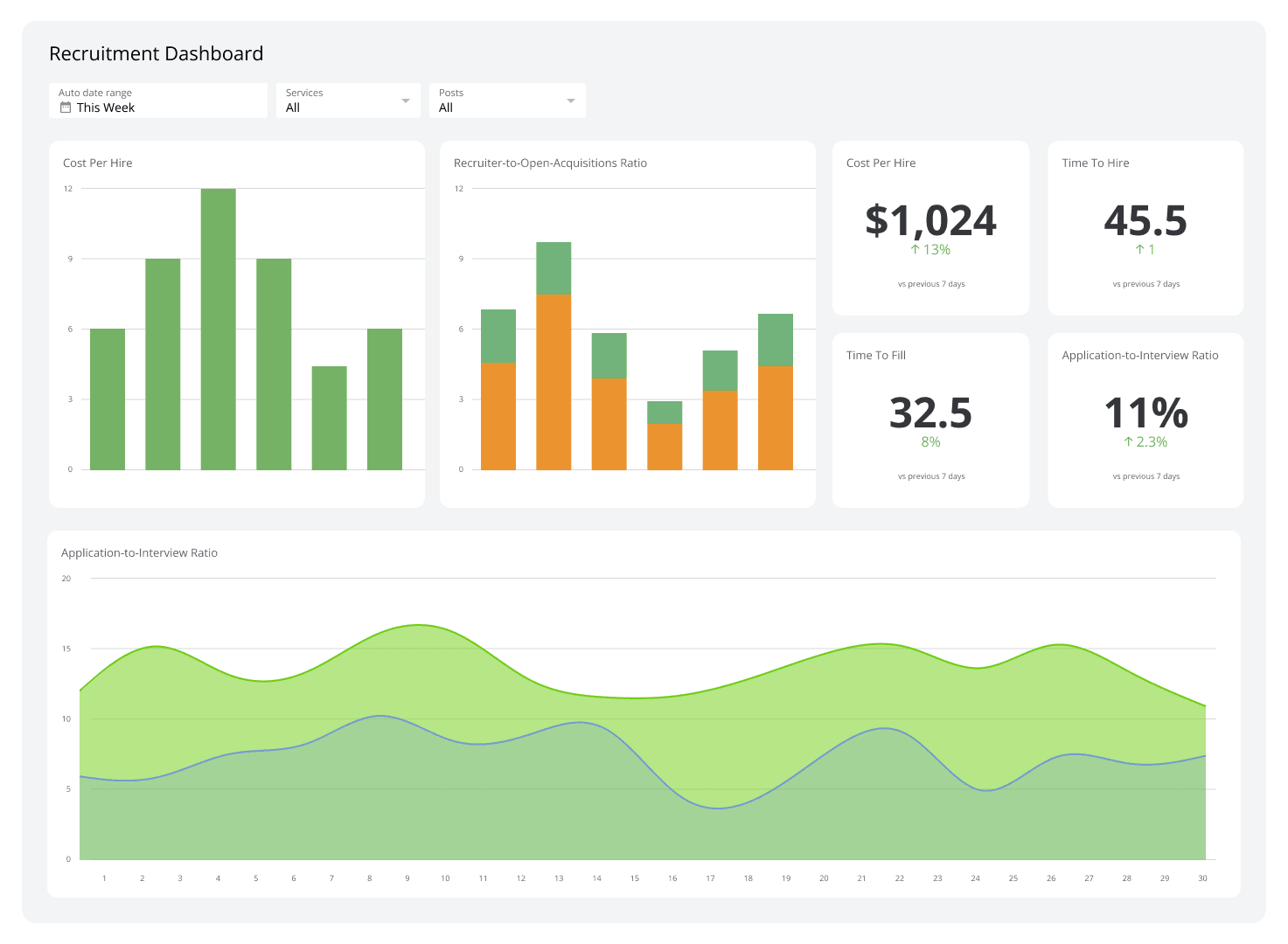
The return on investment for implementing HireVue typically manifests through three primary dimensions: efficiency gains, quality improvements, and strategic advantages, with measurable outcomes that justify the platform’s enterprise-level investment.
Organizations most commonly experience significant reductions in time-to-hire, often between 25-50%, by automating initial screening stages—instead of conducting numerous phone screens, recruiters can review standardized video interviews asynchronously, dramatically accelerating the evaluation process for high-volume roles.
This efficiency translates directly into cost savings by reducing the organizational impact of vacant positions, particularly for revenue-generating roles where extended vacancies directly affect financial performance.
Recruiter and hiring manager productivity improvements represent another substantial ROI component, as the platform automates administrative tasks like scheduling, communication, and initial assessment, freeing approximately 10-15 hours per week per recruiter that can be reallocated to strategic sourcing and candidate relationship building.
Quality of hire improvements, though more challenging to quantify, demonstrate value through reduced first-year turnover rates, improved performance metrics for new hires, and enhanced diversity in candidate pipelines resulting from more objective evaluation criteria.
Organizations typically measure ROI by tracking metrics such as:
- Cost-per-hire reduction
- Interview-to-offer ratio improvements
- Hiring manager satisfaction scores
- Diversity representation changes across hiring stages
Most enterprises achieve full ROI within 12-18 months of implementation.
How does HireVue compare to other platforms like Spark Hire?
When comparing HireVue to other talent acquisition platforms such as Spark Hire, the distinction primarily revolves around target market focus, assessment sophistication, and platform comprehensiveness rather than direct feature-for-feature competition.
HireVue positions itself as an enterprise-grade talent intelligence platform that combines advanced assessment technologies with comprehensive workflow automation, serving large organizations with complex hiring needs and scientific validation requirements.
Its strengths include deeply integrated game-based cognitive assessments, robust natural language processing for interview evaluation, and sophisticated analytics for tracking diversity and compliance metrics across global hiring operations.
The platform’s foundation in industrial-organizational psychology and ongoing bias auditing makes it particularly suitable for organizations prioritizing objective, validated assessment methodologies and regulatory compliance.
Spark Hire, conversely, focuses primarily on video interviewing functionality with an emphasis on accessibility and ease of use for small to mid-sized businesses.
Its platform excels at straightforward live and on-demand video interviewing with intuitive scheduling features and candidate management tools, but generally lacks the advanced assessment science and comprehensive analytics suite that characterize enterprise solutions.
The pricing models reflect this differentiation—HireVue utilizes customized enterprise pricing based on organization size and usage volume, while Spark Hire offers more transparent, subscription-based pricing suited for smaller teams.
Organizations should evaluate their specific needs for assessment sophistication, compliance requirements, and integration capabilities when choosing between these fundamentally different platform approaches. For more comparisons, explore our HireVue Top Alternatives and Competitors analysis.
How does HireVue ensure data privacy and comply with regulations like GDPR and NYC Local Law 144?
HireVue maintains a comprehensive data privacy and security framework built upon internationally recognized certifications, regulatory compliance protocols, and privacy-by-design principles that address the sensitive nature of candidate information.
The platform holds SOC 2 Type II and ISO 27001 certifications, validating that its security controls, data handling procedures, and infrastructure meet rigorous international standards for protecting confidential information.
For GDPR compliance, HireVue operates as a data processor on behalf of its customers, providing features that enable data subject rights including:
- Access requests
- Data portability
- Right to be forgotten through configurable data retention policies
The platform automatically purges candidate information after specified periods based on organizational preferences.
Regarding NYC Local Law 144 and similar automated employment decision tool regulations, HireVue provides comprehensive bias audit reports conducted by independent third parties, transparency documentation about assessment methodologies, and candidate notification mechanisms that help employers meet their compliance obligations.
The platform implements granular role-based access controls ensuring that recruiters and hiring managers can only access candidate data relevant to their specific roles and positions, preventing unauthorized information exposure.
Data encryption applies both in transit and at rest, with regular security testing and vulnerability assessments maintaining system integrity.
This multilayered approach enables organizations to leverage AI-powered hiring tools while maintaining compliance with evolving global data protection regulations and employment laws governing automated decision systems.
What is the pricing structure for HireVue?
HireVue employs an enterprise customized pricing model that reflects its position as a comprehensive talent acquisition platform for large organizations rather than a standardized SaaS product.
The pricing structure is typically structured as an annual subscription with costs determined through several key variables that align with the platform’s value proposition for enterprise clients.
Organization size represents a primary pricing factor, with costs often calculated on a per-employee basis despite the platform being used for external candidate assessment.
Hiring volume significantly influences pricing through either tiered usage allowances or custom pricing based on projected interview and assessment volumes.
Module selection creates pricing variability as organizations can choose to implement specific components including:
- On-demand video interviews
- Live video capabilities
- Game-based assessments
- Conversational AI chatbots
- Advanced analytics features
Each module adds to the overall subscription cost.
Implementation and integration complexity also affect pricing, with sophisticated ATS integrations and custom competency modeling potentially incurring additional professional services fees.
Given these variables, organizations should anticipate a significant investment appropriate for enterprise software that delivers ROI through hiring efficiency, quality improvement, and risk mitigation.
Prospective customers must engage with HireVue’s sales team for a customized demonstration and pricing proposal based on their specific requirements, hiring volumes, and existing technology infrastructure.
How does HireVue integrate with major Applicant Tracking Systems (ATS) like Workday or SuccessFactors?
HireVue offers sophisticated integration capabilities with major applicant tracking systems including Workday, SAP SuccessFactors, Oracle Taleo, Greenhouse, and other enterprise HR platforms through pre-built, certified connectors that ensure seamless data flow between systems.
The integration operates through a bi-directional synchronization process that begins when a candidate applies through the organization’s career site and enters the ATS—recruiters can then trigger HireVue invitations directly from within their familiar ATS interface by moving candidates to specific workflow stages designated for video assessment.
This action automatically generates and sends personalized interview invitations to candidates without manual intervention.
After candidates complete their interviews or assessments within HireVue, the platform automatically syncs results back to the candidate’s ATS profile, including:
- Interview recordings
- Competency scores
- Assessment results
- Evaluation metrics
This seamless data exchange creates a unified candidate record that allows recruiters and hiring managers to access all evaluation materials without switching between systems, maintaining data consistency and eliminating duplicate entry.
For organizations using ATS platforms without pre-built integrations, HireVue provides a robust REST API with comprehensive documentation that enables custom integration development.
The platform’s integration framework supports single sign-on authentication, custom field mapping, and workflow automation that adapts to existing recruiting processes rather than forcing organizations to conform to predetermined methodologies.
What does the typical implementation process and timeline look like?
HireVue implementation follows a structured, phased approach typically spanning 4-12 weeks depending on organization size, integration complexity, and customization requirements, with dedicated implementation specialists guiding customers through each stage.
The process begins with a discovery and kickoff phase (1-2 weeks) where implementation consultants collaborate with HR, IT, and recruiting stakeholders to document current hiring workflows, identify key competencies for different roles, and define technical requirements for ATS integration and system configuration.
The configuration and integration phase (2-6 weeks) involves building interview question sets, developing competency models, establishing scoring rubrics, and implementing the technical integration between HireVue and the organization’s existing HR systems—this stage includes environment setup, user permission configuration, and custom branding application.
User acceptance testing and training (weeks 7-9) engages a pilot group of recruiters and hiring managers in end-to-end testing of the configured system, validating that all workflows function correctly and that integration data flows properly between systems—comprehensive training materials and train-the-trainer sessions ensure organizational readiness for launch.
The final go-live and hypercare phase (weeks 10-12) involves full platform deployment with enhanced support monitoring to rapidly address any initial issues, ensure user adoption, and optimize processes based on real-world usage.
Throughout implementation, organizations receive change management guidance and communication templates to help stakeholders adapt to new hiring processes and technologies.
Do I need to be a data scientist to use HireVue’s analytics and reports?
No, HireVue’s analytics and reporting interfaces are specifically designed for HR professionals and recruiting practitioners rather than data scientists, presenting complex assessment data through intuitive visualizations and actionable insights that require no technical expertise.
The platform transforms sophisticated AI-generated metrics into user-friendly dashboards organized by different stakeholder needs:
- Recruiters see candidate ranking lists based on competency scores for specific positions
- Hiring managers access funnel analytics showing stage progression rates
- HR leaders view organizational-level metrics tracking diversity, efficiency, and quality indicators
The interface utilizes clear visual representations including score distributions, progress indicators, and comparative charts that make complex data immediately understandable without statistical training.
For compliance and diversity reporting, the platform provides pre-configured analyses that automatically calculate adverse impact ratios and representation metrics across demographic categories, delivering regulatory-ready reports without manual data manipulation.
While the underlying data science is exceptionally complex, the user experience emphasizes practical application—recruiters can quickly identify top candidates based on objective criteria, hiring managers can pinpoint bottlenecks in their interview processes, and HR leaders can track diversity goals with real-time metrics.
For organizations requiring advanced analysis, HireVue does provide data export capabilities and API access for deeper exploration, but the standard reporting interface delivers immediate value without technical expertise.
Looking to explore comprehensive AI solutions for talent acquisition? Discover more tools and insights in our Best 10 AI for Talent Acquisition guide. For additional questions and expert guidance, visit our complete HireVue FAQs resource center.


Leave a Reply