Is Paradox AI the Right Recruiting Automation Tool for You?
Take This 2-Minute Quiz to Find Out!
Key Takeaways
- Conversational AI Platform: Paradox AI specializes in automating high-volume recruiting tasks through its AI assistant “Olivia,” not as a standalone ATS but as an intelligent enhancement layer.
- Target Market: Best suited for medium-to-large enterprises with high-volume hiring needs in industries like hospitality, retail, logistics, healthcare, and manufacturing.
- Integration Architecture: Seamlessly connects with major ATS platforms like Workday, SAP SuccessFactors, and iCIMS through robust API-based connections.
- Proven ROI: Typically reduces recruiter administrative time by 70-80% and improves candidate conversion rates by 30-50% with measurable efficiency gains.
- Enterprise Security: Maintains SOC 2 Type II, ISO 27001, and comprehensive GDPR compliance certifications for protecting sensitive candidate data.
This comprehensive guide addresses the most critical questions HR and recruiting professionals have about implementing Paradox AI in their talent acquisition strategy. From understanding core functionality to navigating implementation challenges, this FAQ provides the insights needed to make informed decisions about conversational AI in recruiting.
What is Paradox AI, and how does its assistant “Olivia” transform the recruiting process?
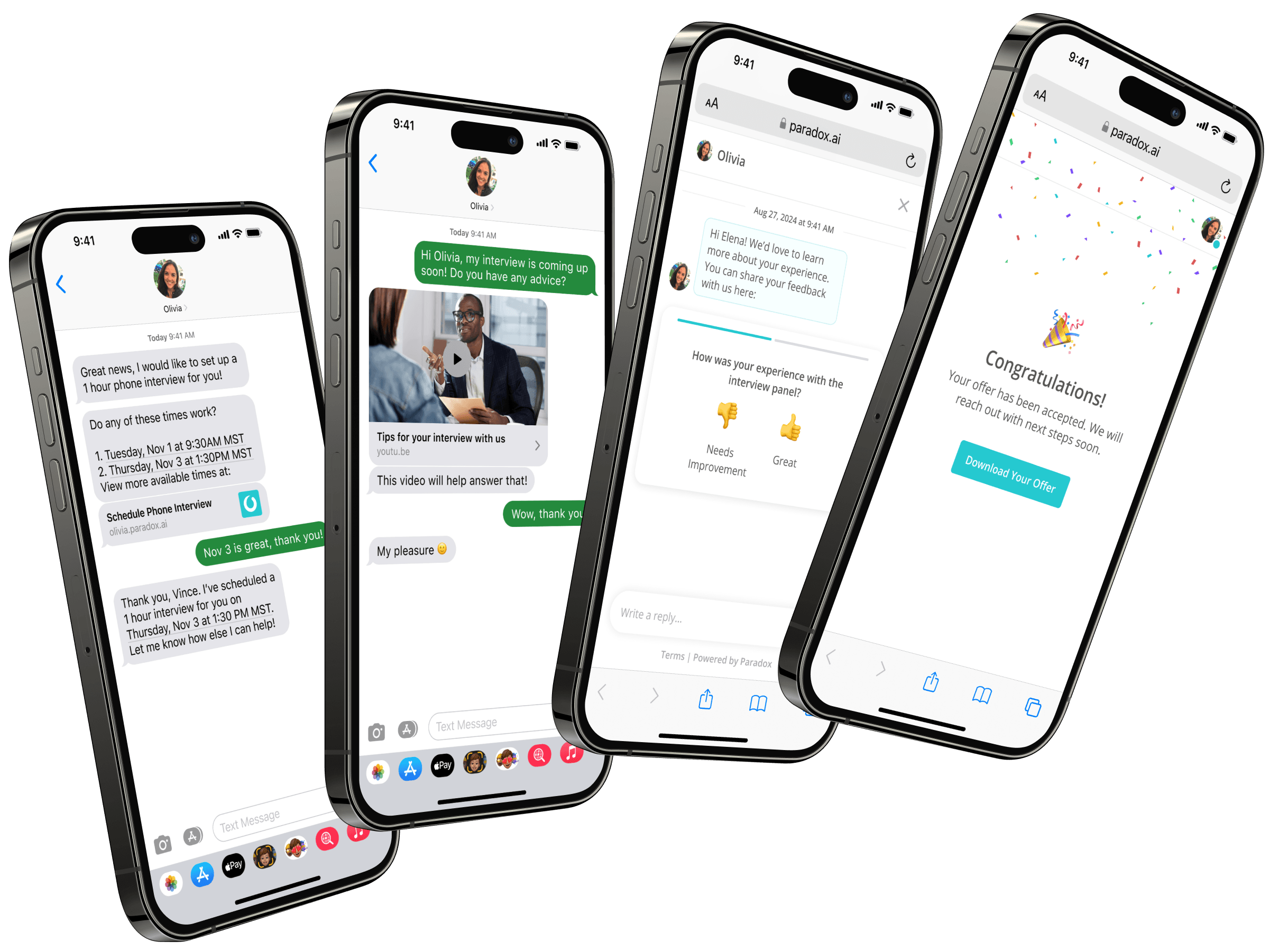
Paradox AI is a conversational recruiting platform specifically designed to automate high-volume hiring tasks that traditionally consume valuable recruiter time. At its core is Olivia, an AI-powered assistant that operates 24/7 as a virtual concierge for both candidates and recruiting teams.
Unlike basic chatbots that simply answer pre-programmed questions, Olivia manages complex, multi-step recruiting workflows with sophisticated natural language processing capabilities.
Olivia’s functionality extends across the entire candidate engagement lifecycle. She instantly connects with applicants through multiple channels including web chat, SMS, WhatsApp, and Facebook Messenger the moment they express interest in a position.
This immediate response dramatically reduces candidate drop-off rates that typically occur when applicants face delays in communication.
The screening capabilities are particularly robust. Olivia asks job-specific qualifying questions that go beyond basic information collection. For example, she can verify certifications (“Do you hold a valid CDL-A license?”), confirm availability requirements (“Can you work rotating night shifts?”), or assess location flexibility (“Are you willing to relocate to our Dallas facility?”).
These responses automatically qualify or disqualify candidates based on objective, predetermined criteria.
The interview scheduling automation eliminates one of recruiting’s most time-consuming administrative burdens. Olivia accesses multiple calendars simultaneously, identifies mutually available time slots across complex multi-person interview panels, sends confirmations, and manages rescheduling requests—all without human intervention.
This automation alone typically saves recruiters 10-15 hours per week in high-volume environments.
Additionally, Olivia provides instant, accurate answers to common candidate questions about compensation ranges, benefits packages, company culture, and application status. This ensures no qualified candidate is lost due to unanswered questions or delayed responses, particularly outside traditional business hours when many job seekers are actively searching.
For organizations seeking to explore the comprehensive capabilities and detailed features of Paradox AI, our Paradox Overview and Features guide provides an in-depth analysis of all platform components.
Is Paradox a standalone Applicant Tracking System (ATS)?
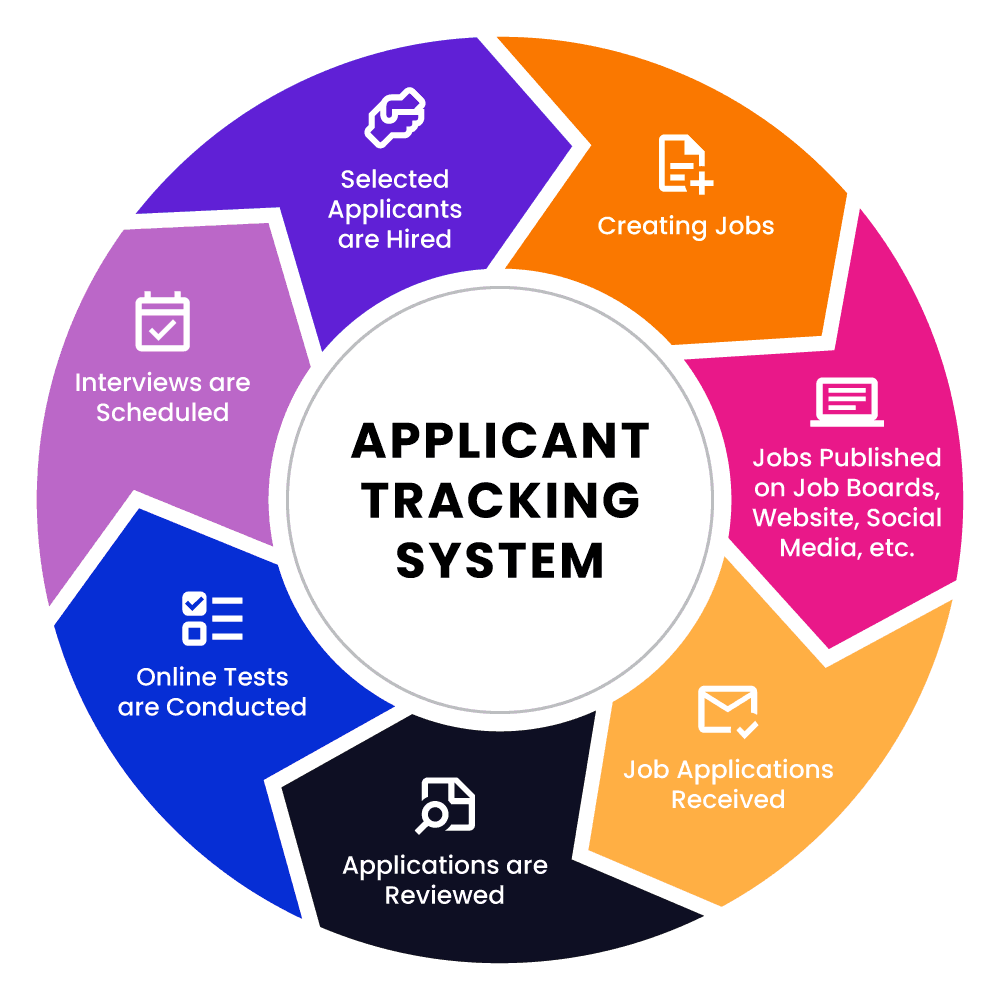
No, Paradox is not designed to replace your existing Applicant Tracking System. Instead, it functions as an intelligent conversational layer that enhances and extends your current ATS capabilities.
This architectural decision is strategically important because it allows organizations to preserve their investment in existing systems while adding powerful automation capabilities.
Your ATS—whether it’s Workday, SAP SuccessFactors, iCIMS, Taleo, or another platform—remains your system of record for candidate data, compliance documentation, and workflow management. Paradox integrates deeply with these systems through robust API connections that enable seamless, bi-directional data synchronization.
The integration works through several key mechanisms. When candidates interact with Olivia and provide information during screening conversations, that data is automatically captured and synced to the appropriate fields in their ATS profile.
This eliminates duplicate data entry and ensures consistency across systems. Conversely, when recruiters update candidate statuses or add notes in the ATS, Paradox can trigger appropriate follow-up actions through Olivia.
The workflow automation is particularly powerful. For example, once Olivia confirms a candidate meets all objective qualifications through screening questions, she can automatically advance their status in the ATS from “Applied” to “Qualified” or “Ready for Review.”
This ensures recruiters focus their attention on candidates who have already cleared initial hurdles rather than manually reviewing every application.
For recruiters, the experience feels unified. The full conversation history with Olivia appears within the ATS interface, eliminating the need to toggle between multiple systems.
This integration architecture preserves the compliance, reporting, and data management strengths of enterprise ATS platforms while addressing their traditional weakness: poor candidate engagement and administrative inefficiency.
Think of Paradox as the engaging, automated front door to your recruiting process, while your ATS remains the secure, compliant foundation managing the entire candidate lifecycle.
Who benefits most from implementing Paradox AI in their talent acquisition strategy?
Paradox AI delivers the strongest return on investment for medium-to-large enterprises engaged in high-volume hiring, particularly within industries characterized by rapid turnover and continuous recruitment needs.
Organizations in hospitality, retail, logistics, healthcare, contact centers, and manufacturing typically see the most dramatic efficiency gains and ROI.
The ideal Paradox customer faces specific, identifiable pain points. High candidate drop-off rates are a primary indicator—when qualified applicants abandon the process due to lengthy applications, slow response times, or poor mobile experiences.
If your data shows that 60-70% of candidates who start an application never complete it, or that qualified candidates accept offers elsewhere before you can schedule their first interview, Paradox directly addresses these friction points.
Recruiter burnout is another key signal. When your talent acquisition team spends the majority of their time on administrative tasks—answering the same questions repeatedly, manually screening for basic qualifications, playing phone tag to schedule interviews—rather than building relationships with top talent, automation becomes essential.
Paradox typically reduces time spent on these tasks by 70-80%, allowing recruiters to focus on strategic activities like employer branding and candidate relationship management.
Organizations with slow time-to-hire metrics benefit significantly. In competitive talent markets, speed wins. If your average time from application to first interview exceeds 5-7 days, you’re likely losing top candidates to faster competitors.
Paradox can compress this timeline to 24-48 hours or less for many roles.
Companies requiring 24/7 engagement capabilities also see substantial value. If you’re hiring for roles with non-traditional hours or competing for candidates who job search primarily during evenings and weekends, Olivia’s always-on availability ensures no qualified candidate slips through due to timing.
While smaller organizations can certainly use Paradox, the platform’s pricing and implementation investment make most sense when you’re processing hundreds or thousands of applications monthly and where recruiter time savings translate into meaningful cost reductions or capacity increases.
To understand comprehensive talent acquisition strategies beyond automation, organizations can explore our guide on the Best 10 AI for Talent Acquisition tools to build a complete technology ecosystem.
How does Paradox AI integrate with major ATS platforms like Workday, SAP SuccessFactors, and iCIMS?
Paradox AI’s integration architecture is built on an “integration-first” philosophy, with robust, pre-built connectors for all major Applicant Tracking Systems.
This isn’t a bolt-on capability—seamless integration is fundamental to the platform’s design and a critical factor in its enterprise adoption success.
The technical integration relies on secure API-based connections that leverage each ATS provider’s official, supported API. This approach ensures data transfers meet the security, reliability, and compliance standards established by the ATS vendor.
For market-leading systems like Workday, SAP SuccessFactors, iCIMS, Oracle Taleo, Greenhouse, and Lever, Paradox maintains mature, thoroughly tested integration modules that significantly accelerate deployment timelines.
The data synchronization is truly bi-directional, creating a dynamic connection rather than a one-way data dump. When Olivia collects screening responses, schedule availability, or candidate questions, this information flows immediately into the appropriate candidate profile fields in your ATS.
Conversely, when a recruiter manually updates a candidate’s status in the ATS—perhaps moving them to “Interview Scheduled” or “Offer Extended”—Paradox receives this update and can trigger appropriate follow-up actions through Olivia, such as sending preparation materials or checking in post-interview.
During implementation, the Paradox technical team collaborates closely with your IT and talent acquisition stakeholders to map data fields accurately. This ensures information like candidate names, contact details, screening question responses, assessment scores, and interview schedules populate correctly in your ATS without manual intervention.
The mapping also respects your ATS configuration, including custom fields and workflow rules.
The integration maintains your ATS as the single source of truth for compliance and audit purposes. All candidate interactions, timestamps, and decision rationale are logged within the ATS, ensuring you maintain complete audit trails required for EEOC compliance and defending hiring decisions if challenged.
This architecture allows organizations to enhance their recruiting efficiency dramatically without compromising the data governance and compliance controls that enterprise ATS platforms provide.
How does Paradox AI address and mitigate potential AI bias in the hiring process?

Paradox addresses AI bias mitigation through a multi-layered approach centered on transparency, objective criteria, and human oversight—critical considerations given the legal and ethical implications of using AI in hiring decisions.
The platform is designed to automate process execution while ensuring fairness remains firmly under human control.
The foundation of bias mitigation is configurable, objective screening. Unlike AI systems that attempt to “read” resumes and infer candidate quality from unstructured data—where bias can inadvertently enter through training data patterns—Olivia asks specific, job-related questions defined by your organization.
These questions focus on factual qualifications directly tied to job requirements: certifications held, skills possessed, availability to meet schedule requirements, or willingness to meet location needs. The AI collects and processes answers without making subjective interpretations.
Demographic data redaction capabilities provide an additional safeguard. The system can be configured to hide information that could reveal or imply a candidate’s age, gender, ethnicity, or other protected characteristics during initial screening stages.
This allows recruiters to evaluate candidates purely on their objective qualifications before any demographic information is visible, helping eliminate unconscious bias from early-stage decisions.
The platform’s focus on process automation—rather than decision-making—is strategically important. Olivia doesn’t “choose” who gets an interview; she executes the screening criteria your organization defines.
If a candidate answers “yes” to all knockout questions, they automatically advance. This ensures consistent application of your criteria across all candidates, eliminating the variability that occurs when different recruiters apply standards inconsistently.
Complete audit trails provide transparency and accountability. Every interaction with Olivia is logged with timestamps, allowing HR leaders to review the screening process retrospectively.
This documentation is essential for EEOC compliance and defending hiring practices if challenged.
However, technology alone cannot eliminate bias—the “human-in-the-loop” remains essential. The most critical safeguard is regularly auditing your screening questions themselves for hidden bias.
For example, is a requirement for “10+ years of experience” truly necessary, or does it inadvertently screen out younger talent? Does requiring “immediate availability” disproportionately impact candidates currently employed?
The AI executes your process with perfect consistency; your organization must ensure the process itself is equitable and compliant with EEOC guidelines.
What are the key differences between Paradox, Phenom, and iCIMS for talent acquisition?
While Paradox, Phenom, and iCIMS all operate within the talent acquisition technology ecosystem, they represent fundamentally different architectural approaches and solve distinct primary problems for HR organizations.
Understanding these differences is essential for selecting the right platform for your specific needs.
Paradox: Best-in-Class Conversational AI and Automation
Paradox’s core focus is conversational AI and intelligent automation for high-volume hiring. Its defining capability is Olivia, the AI assistant that excels at handling repetitive, administrative tasks with exceptional efficiency.
Paradox acts as a specialized intelligence layer that integrates with your existing technology stack rather than replacing it. The platform’s “superpower” is automating candidate screening, interview scheduling, and engagement at scale—typically reducing recruiter administrative time by 70-80%.
Paradox is purpose-built for organizations where the primary pain point is administrative overload in high-volume hiring environments. It’s the ideal choice when you need best-in-class automation without replacing your entire tech stack.
Phenom: Comprehensive Talent Experience Management (TXM) Platform
Phenom takes an all-in-one approach, offering a complete Talent Experience Management suite that spans the entire talent lifecycle. The platform combines a Candidate Relationship Management (CRM) system, AI-powered career site builder, internal mobility tools, employee referral management, and analytics into a unified ecosystem.
Phenom’s strategic focus is creating personalized experiences for candidates, employees, and recruiters across every touchpoint. While it includes conversational AI capabilities, this is one feature within a much broader platform.
Phenom is best suited for organizations seeking a single, integrated solution to manage employer branding, talent pipeline development, and internal career mobility—essentially building a “talent marketplace” that connects external candidates and internal employees with opportunities.
iCIMS: Enterprise-Grade Talent Cloud (ATS-Centric)
iCIMS is fundamentally an Applicant Tracking System that has evolved into what they call a “Talent Cloud” by acquiring and integrating additional capabilities including CRM, career sites, video interviewing, and onboarding.
The ATS remains the core foundation—robust, scalable, and compliance-focused. iCIMS provides the system of record for large enterprises to manage all talent acquisition activities with the controls, security, and audit capabilities required by global organizations.
Their conversational AI and other advanced features are built around this central ATS architecture. iCIMS is the right choice for large, global enterprises that need a powerful, centralized, and highly compliant ATS as their foundational recruiting system with additional capabilities layered on top.
Strategic Selection Guidance:
Choose Paradox when automation and efficiency are your primary goals and you want to enhance your existing systems. Choose Phenom when you’re ready to replace multiple point solutions with an integrated talent experience platform.
Choose iCIMS when you need an enterprise-grade ATS foundation with comprehensive compliance controls and the ability to add modular capabilities over time.
For detailed insights into how Paradox compares in practice, professionals can reference our comprehensive Paradox Review which includes real-world implementation experiences and performance benchmarks.
What analytics and ROI metrics does Paradox AI provide to demonstrate hiring efficiency improvements?
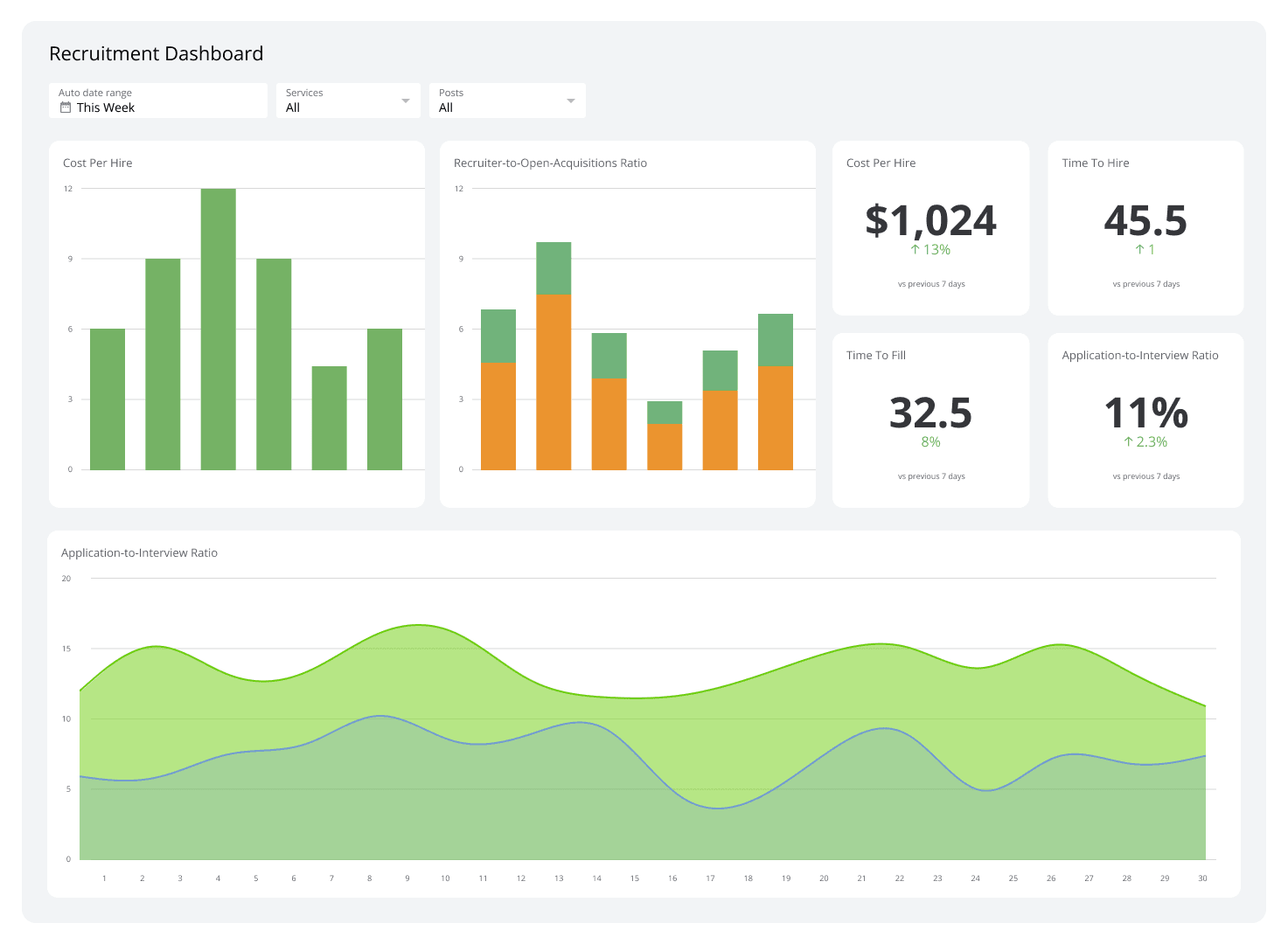
Paradox provides a comprehensive analytics suite specifically designed to quantify the efficiency gains and business impact of conversational AI automation in talent acquisition.
These dashboards focus on metrics that directly translate into ROI calculations and enable talent acquisition leaders to build compelling business cases for continued investment.
Time Savings and Capacity Gains
The platform meticulously tracks and quantifies recruiter time saved through automation. This includes hours no longer spent manually screening for basic qualifications, coordinating interview schedules via email and phone tag, or answering repetitive candidate questions.
For high-volume hiring organizations, Paradox typically demonstrates time savings of 15-25 hours per recruiter per week. When multiplied by your average fully loaded recruiter hourly rate, this becomes the most immediate and tangible ROI metric.
These capacity gains allow organizations to either reduce recruiting headcount costs, reallocate recruiters to more strategic activities, or absorb higher hiring volumes without proportional team expansion.
Conversion Rate Improvements
Dashboards track conversion rates at each funnel stage: career site visitors to applicants, applicants to screened candidates, and screened candidates to scheduled interviews.
By eliminating friction points—like lengthy application forms, slow response times, and scheduling delays—Paradox typically improves these conversion rates by 30-50%.
For example, if you historically converted 20% of career site visitors into completed applications, and Paradox increases this to 30%, that’s a 50% improvement in top-of-funnel efficiency without increasing traffic acquisition costs.
Time-to-Hire Acceleration
The platform measures the elapsed time from application submission to scheduled first interview and ultimately to offer acceptance. In competitive talent markets, speed is a critical competitive advantage.
Paradox frequently compresses time-to-interview from 7-10 days (industry average) to 24-48 hours for high-volume roles. This acceleration directly impacts quality of hire—you secure top candidates before competitors can even schedule their first interview.
Candidate Satisfaction and Employer Brand Impact
Post-interaction surveys capture real-time candidate satisfaction scores (CSAT). These metrics demonstrate whether the automated experience enhances or diminishes your employer brand.
Organizations typically see CSAT scores of 85-90%+ for Olivia interactions, often exceeding satisfaction with traditional human-only processes where candidates experience long wait times and communication gaps.
Strategic ROI Framework:
When building your initial business case, focus on one primary metric aligned with your biggest pain point. If recruiter capacity is your constraint, emphasize time savings.
If candidate drop-off is your challenge, highlight conversion rate improvements. Demonstrating a 50%+ improvement in a single critical metric creates undeniable ROI and earns credibility to expand tracking to broader business outcomes over time.
What is the pricing model for Paradox AI, and what factors influence the cost?
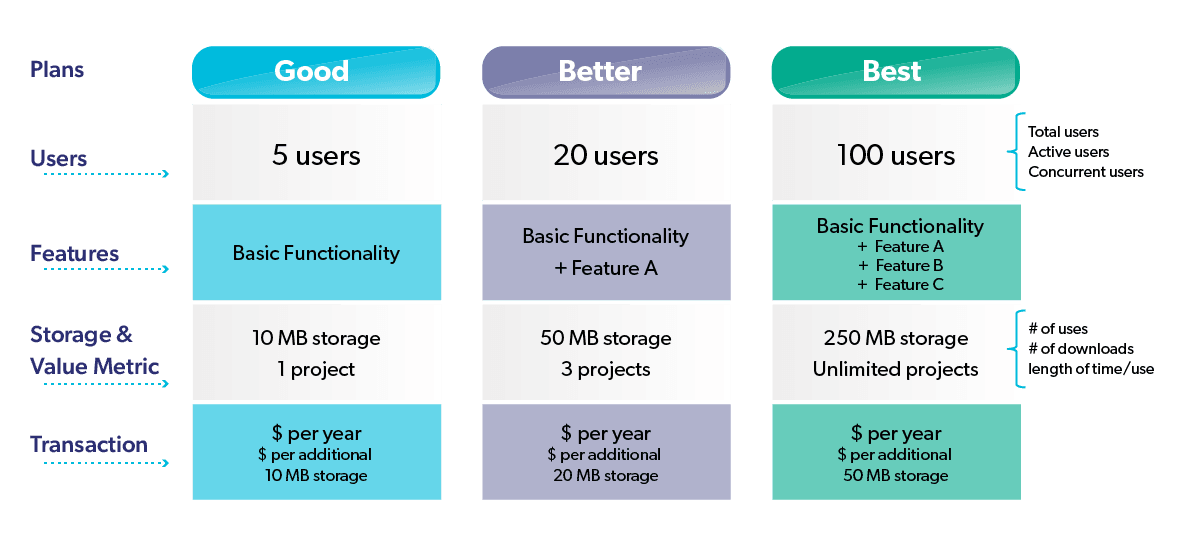
Paradox AI utilizes a customized, enterprise-level SaaS pricing model tailored to each organization’s specific requirements and scale.
Unlike consumer software with published per-user pricing, enterprise talent acquisition platforms require personalized pricing because implementation complexity, usage volumes, and required capabilities vary dramatically across organizations.
Primary Pricing Factors
Company size, typically measured by total employee count, serves as a baseline metric for determining pricing tiers. An organization with 50,000 employees operates at a different scale than one with 2,000, affecting everything from integration complexity to support requirements.
However, employee count alone doesn’t determine cost—hiring volume provides a more direct measure of platform usage.
Annual hiring volume—the number of positions filled per year—is a critical pricing driver because it directly correlates with system usage. An organization hiring 5,000 employees annually will generate significantly more candidate interactions, screening conversations, and scheduled interviews than one hiring 500, even if both have similar total workforce sizes.
Some pricing models structure costs around anticipated candidate interactions or conversations handled by Olivia.
Product module selection substantially impacts cost. Paradox offers a suite of capabilities including conversational career sites, automated screening, interview scheduling, event recruitment management, and candidate texting.
Organizations can implement the complete suite or select specific modules addressing their highest-priority needs. A phased implementation starting with one or two modules allows you to demonstrate ROI before expanding.
Integration complexity affects both implementation fees and ongoing subscription costs. Connecting to a single, standard ATS with a pre-built connector requires less effort than integrating with multiple legacy systems, custom-built platforms, or systems requiring extensive data mapping and custom development.
Organizations with complex technical environments should expect higher initial implementation investments.
Obtaining Accurate Pricing
To receive a customized quote, you must engage with Paradox’s sales team for a discovery consultation and personalized demonstration. During this process, they’ll assess your hiring volume, current tech stack, specific pain points, and desired outcomes to build a pricing proposal aligned with your requirements.
This consultative approach ensures you’re not paying for capabilities you don’t need while ensuring the solution addresses your actual business challenges.
When evaluating cost, frame the investment against measurable returns: recruiter time savings (typically 15-25 hours per recruiter per week), reduction in time-to-hire (often 50-70% faster), improved candidate conversion rates (30-50% increases), and reduced candidate drop-off.
These efficiency gains typically demonstrate ROI within 6-12 months for high-volume hiring organizations.
Organizations considering alternative solutions can explore our analysis of Paradox Top Alternatives and Competitors to understand comparative pricing and feature sets in the market.
What data security and compliance certifications does Paradox maintain for protecting sensitive candidate information?
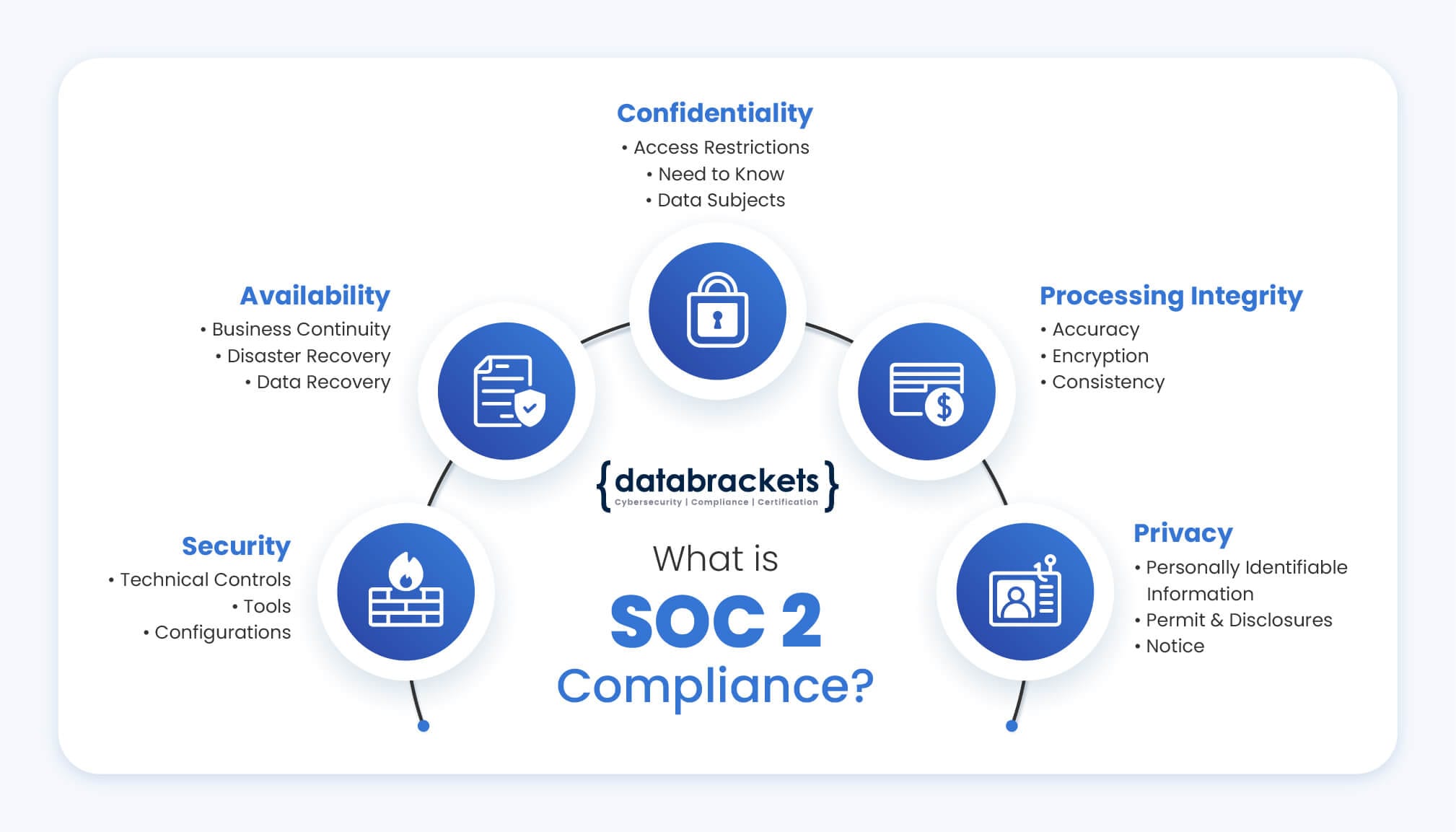
Paradox maintains enterprise-grade data security infrastructure and industry-leading compliance certifications essential for organizations handling sensitive candidate and employee Personally Identifiable Information (PII).
Given that recruiting data includes social security numbers, date of birth, compensation expectations, and potentially health information for benefits discussions, robust security is non-negotiable.
SOC 2 Type II Certification
Paradox holds SOC 2 Type II certification, the gold standard for SaaS security compliance. This certification, developed by the American Institute of Certified Public Accountants (AICPA), requires independent auditors to verify that stringent security controls are not just documented but actively operating effectively over a minimum six-month observation period.
SOC 2 Type II examines five trust service criteria: security, availability, processing integrity, confidentiality, and privacy. This certification is typically a mandatory requirement for enterprise procurement and demonstrates that Paradox has implemented comprehensive controls for data encryption, access management, incident response, and continuous monitoring.
ISO 27001 Certification
ISO 27001 represents the international gold standard for information security management systems (ISMS). This certification confirms that Paradox has established, implemented, and continuously improves a systematic approach to managing sensitive information.
ISO 27001 requires regular risk assessments, security audits, and documented policies covering everything from physical security to employee security training to incident response procedures.
For global organizations operating across multiple jurisdictions, ISO 27001 provides assurance that security practices meet internationally recognized standards.
GDPR Compliance
For organizations operating in or recruiting from the European Union, Paradox provides comprehensive GDPR (General Data Protection Regulation) compliance capabilities.
This includes respecting data subject rights such as the right to access, rectify, and delete personal data (the “right to be forgotten”). The platform maintains detailed consent management, enables data portability, and ensures that data processing agreements meet GDPR requirements.
Given that GDPR violations can result in fines up to 4% of global annual revenue, this compliance is financially critical for any organization with European operations.
CCPA and U.S. State Privacy Law Compliance
Paradox supports compliance with the California Consumer Privacy Act (CCPA) and emerging state-level privacy regulations across the United States.
As more states enact privacy laws similar to CCPA, having a platform that adapts to evolving regulatory requirements protects organizations from compliance risks and potential penalties.
Security Best Practices
Beyond certifications, organizations should verify that Paradox implements security best practices including data encryption in transit and at rest, role-based access controls with multi-factor authentication, regular penetration testing, and 24/7 security monitoring.
During procurement, request copies of current SOC 2 reports and security documentation, and include security reviews in your implementation process.
While Paradox’s certifications provide strong assurance, every organization should conduct due diligence aligned with their specific risk tolerance and compliance requirements. Work with your information security and legal teams to review security documentation and ensure alignment with your organization’s security policies.
What does the typical implementation process and timeline look like for Paradox AI?
Implementing Paradox AI is a structured, collaborative initiative requiring coordination between the Paradox team and your organization’s key stakeholders from Talent Acquisition, HR, and IT.
While timelines vary based on organizational complexity, integration requirements, and customization needs, a standard implementation typically ranges from 6-12 weeks from kickoff to full production launch.
Phase 1: Discovery and Strategic Scoping (1-2 weeks)
Implementation begins with comprehensive discovery workshops bringing together recruiters, TA leaders, and IT staff. The Paradox team conducts deep-dive sessions to understand your current hiring workflows, pain points, candidate journey, and business objectives.
This phase maps exactly how Olivia will interact with candidates, which screening questions are needed for different job families, and how the automation should integrate with existing processes.
Critical deliverables include documented workflows, identified integration points, and a detailed project plan with clear milestones and responsibilities.
Phase 2: Technical Integration and Configuration (2-4 weeks)
The technical integration phase connects Paradox to your core systems: ATS, career site, HRIS, and calendar platforms (Google Workspace or Microsoft 365). IT teams from both organizations collaborate on API connections, authentication protocols, and security configurations.
For organizations with standard ATS platforms like Workday, iCIMS, or SuccessFactors, pre-built connectors significantly accelerate this phase. Custom integrations with proprietary systems or complex multi-system environments require additional time.
Concurrent with technical integration, the Paradox team configures the platform settings, data field mappings, and establishes staging environments for testing.
Phase 3: Content Development and Conversation Design (2-3 weeks)
Your Talent Acquisition team works with Paradox conversation designers to build Olivia’s personality, tone, and specific conversation flows.
This includes writing screening questions for each job category, defining knockout criteria (must-have qualifications that immediately disqualify candidates), creating FAQ responses for common candidate questions about benefits, culture, and compensation, and customizing the conversational experience to reflect your employer brand.
This phase is highly collaborative and iterative, with multiple review cycles to ensure conversations feel natural and on-brand.
Phase 4: Testing and User Acceptance (1-2 weeks)
Before launching to candidates, a select group of recruiters and HR stakeholders conducts end-to-end User Acceptance Testing (UAT). This involves simulating the complete candidate journey—from career site visit through screening conversations to interview scheduling—to identify any issues with conversation flows, integration accuracy, or user experience.
Common testing scenarios include edge cases (candidates who don’t fit standard profiles), multi-language support if applicable, and mobile experience verification. Feedback from UAT drives final refinements before production launch.
Phase 5: Training and Go-Live (1 week)
The Paradox team delivers comprehensive training for recruiters, hiring managers, and HR administrators on using the platform, interpreting analytics dashboards, managing candidate conversations, and troubleshooting common issues.
Training typically includes live sessions, recorded tutorials, and written documentation. Go-live can be phased—starting with one job family, location, or business unit—or implemented company-wide depending on your risk tolerance and change management approach.
A phased rollout allows you to refine the process based on real-world feedback before full-scale deployment.
Phase 6: Post-Launch Optimization and Support (Ongoing)
After launch, a dedicated Customer Success Manager works with your team to monitor performance metrics, analyze conversion rates and candidate satisfaction data, and identify optimization opportunities.
The first 30-60 days post-launch are critical for refining conversation flows, adjusting screening questions based on results, and scaling successful practices across additional roles or locations.
Paradox provides ongoing support for troubleshooting, feature updates, and continuous improvement as your hiring needs evolve.
Organizations should plan for internal resources—typically 20-30 hours from a TA project lead and 10-15 hours from IT—in addition to Paradox team time. Adequate stakeholder engagement during implementation is the strongest predictor of successful adoption and rapid time-to-value.
To explore practical implementation guidance and best practices from real-world deployments, organizations can reference our detailed Paradox Tutorials and Usecase resource for step-by-step implementation strategies.
For additional questions and detailed answers on specific implementation challenges, professionals can also consult our comprehensive Paradox FAQs section which addresses common concerns and troubleshooting guidance.
Conclusion: Paradox AI represents a transformative approach to talent acquisition automation, addressing critical pain points in high-volume recruiting through intelligent conversational AI. By understanding these key considerations—from integration architecture to security compliance—organizations can make informed decisions about implementing Paradox AI as part of their comprehensive talent acquisition strategy.
The platform’s focus on enhancing rather than replacing existing ATS systems, combined with robust analytics and proven ROI metrics, positions it as a valuable investment for organizations seeking to modernize their recruiting operations while maintaining compliance and security standards.

Leave a Reply