Is Rippling the Right AI-Powered HR Platform for You?
This 2-Minute Quiz Reveals Your Perfect Match!
Key Takeaways
- Unified Workforce Platform: Rippling consolidates HR, IT, Finance, and Recruiting into one system, eliminating disconnected tools and serving as a central HRIS with AI-powered automation for the entire employee lifecycle.
- AI Recruiting Capabilities: Features include AI resume parsing with match scoring, AI-generated job descriptions, meeting assistant for interview transcription, and workflow automation that connects recruiting to onboarding and IT provisioning.
- Flexible HRIS & PEO Options: Rippling functions as both an HRIS (you remain employer of record) and offers optional PEO services (co-employer arrangement) for businesses needing different levels of administrative support and compliance management.
- Ideal for Growing Companies: Best suited for small to mid-sized companies (10-500 employees) experiencing rapid growth, with modular pricing starting at $8 PEPM base plus additional module costs (typically $20-35 PEPM total).
- Enterprise Security & Compliance: SOC 2 Type II certified and GDPR compliant with granular access controls, encryption, and comprehensive data protection features for handling sensitive employee and candidate data.
Rippling is a unified workforce management platform that combines HR, IT, Finance, and Recruiting into a single system of record.
Designed to replace multiple disconnected tools, it serves as a central HRIS (Human Resource Information System) with integrated modules for payroll, benefits, and applicant tracking.
Rippling’s AI capabilities are embedded deeply into its workflows to automate administrative tasks, streamline recruiting, and unlock data-driven insights throughout the employee lifecycle. For those exploring Best 10 Core HR & HRIS Automation solutions, Rippling represents a comprehensive approach to workforce management.
What is Rippling, and how does it use AI for HR and recruiting?
In recruiting, Rippling uses AI for:
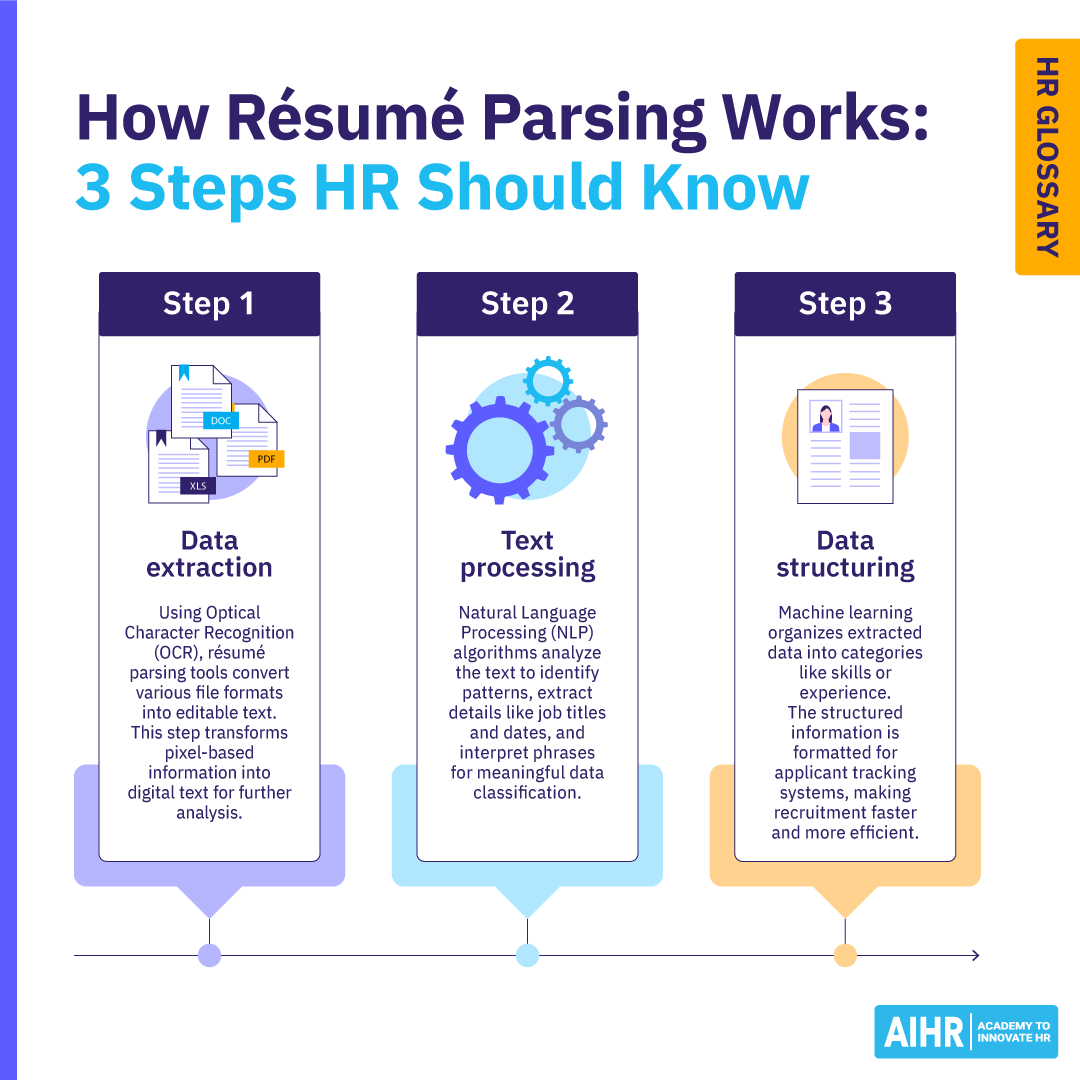
- AI-Powered Resume Parsing and Candidate Ranking: Rippling currently offers AI-based resume parsing that automatically extracts candidate information and generates an AI match score indicating how well applicants meet job criteria. This speeds up screening by highlighting top candidates early in the funnel and reduces manual review workloads.
- AI-Generated Job Descriptions: It helps HR teams craft optimized job postings by analyzing roles and suggesting keyword-rich language that attracts quality applicants.
- AI Meeting Assistant: Rippling’s AI meeting assistant records, transcribes, and summarizes video interviews, enabling hiring managers to quickly review key moments, extract insights, and preserve candidate evaluations for data-driven decisions.
- Workflow Automation (“Recipes”): AI-powered automation rules link recruiting steps with HR and IT workflows—for example, automatically sending rejection emails, progressing candidates through stages, or triggering IT provisioning when an offer is accepted.
- Unified Analytics: Recruiter performance, candidate pipeline data, and post-hire outcomes are consolidated in one platform, empowering insights that connect hiring sources and interviewer feedback to employee success.
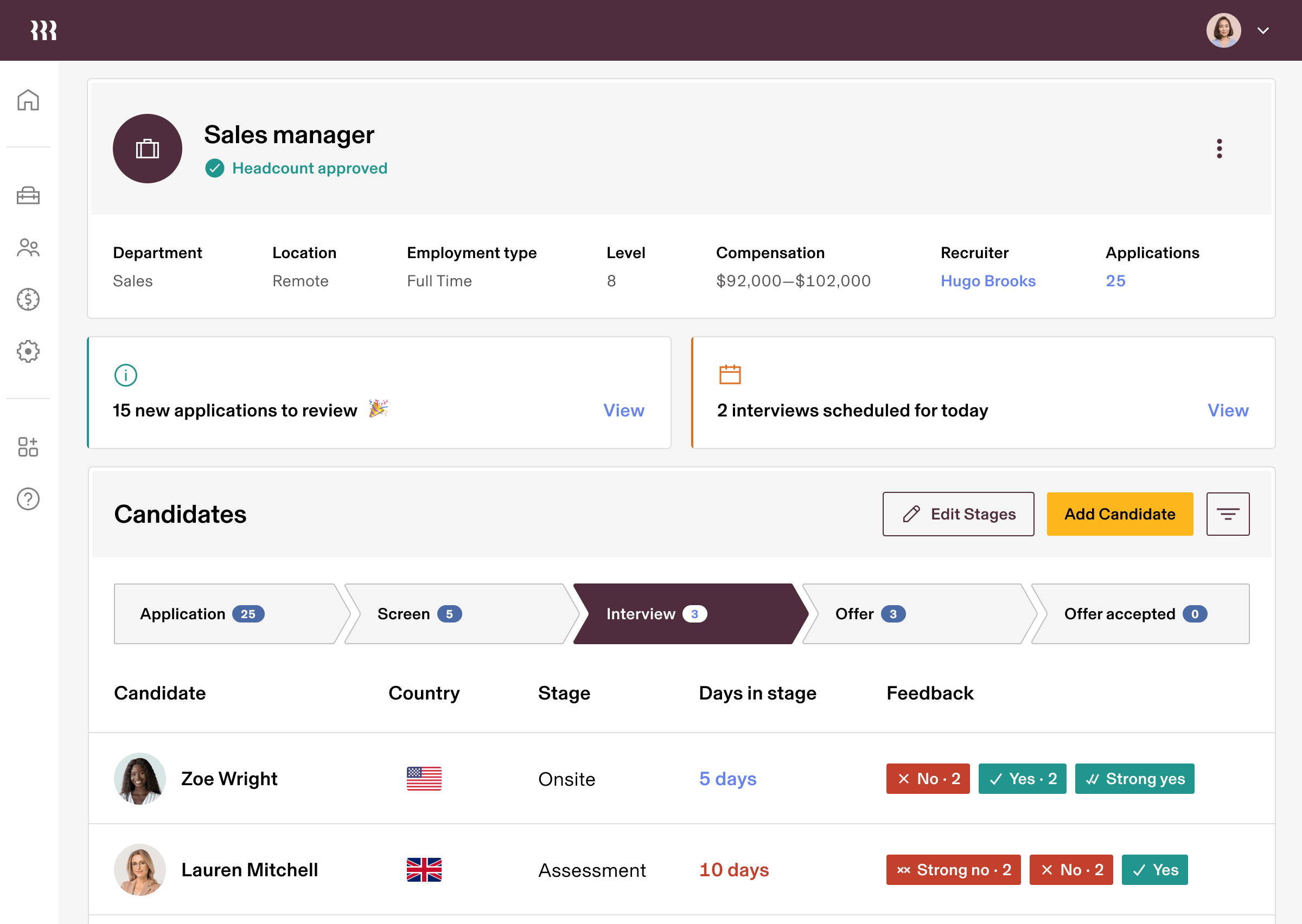
By embedding AI across recruiting and HR processes, Rippling increases efficiency, reduces human error, and helps companies make strategic, data-backed hiring decisions.
To learn more about Rippling’s complete feature set, explore our detailed Rippling Overview and Features guide.
Is Rippling a PEO, an HRIS, or something else?
Rippling is primarily an HRIS (Human Resource Information System) but also offers an optional PEO (Professional Employer Organization) service, providing flexible options depending on a business’s needs.
- As an HRIS, Rippling acts as a centralized system to manage employee data, payroll, benefits, time tracking, and recruiting. In this mode, your company remains the sole employer of record, retaining control over compliance while leveraging Rippling’s modern platform to automate and coordinate HR functions.
- Choosing the PEO service means Rippling becomes a co-employer. This arrangement shifts many administrative, legal, and compliance responsibilities to Rippling. It also gives access to larger-group employee benefits that typically come with better pricing and coverage—especially valuable to smaller or high-growth businesses.
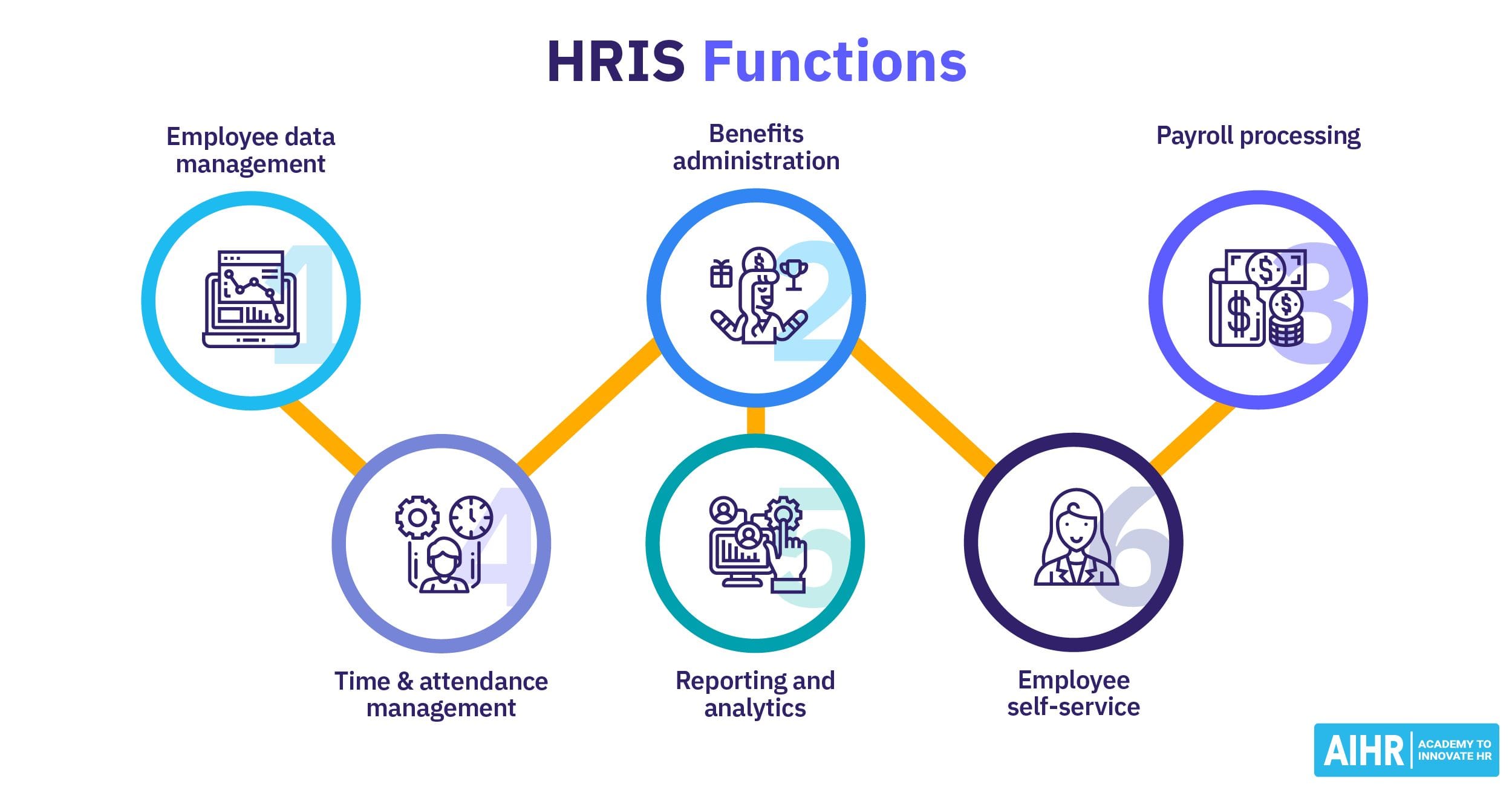
Rippling’s hallmark is its unified platform model, allowing organizations to start with just the HRIS and recruiting modules and then optionally activate the PEO service without switching to a separate system.
This modular flexibility serves small startups, midmarket firms, and even larger enterprises who want tailored levels of administrative support and risk management.
What size company is Rippling best for?
Rippling is highly scalable and used by organizations ranging from small startups to large enterprises, but its greatest value is typically for small to mid-sized companies with 10 to 500 employees, especially those experiencing rapid growth.
- Small businesses (under 10 employees) can use Rippling but may find its robust feature set and price point heavier than ultra-simple payroll tools (e.g., Gusto). However, startups planning fast growth often adopt it early to avoid disruptive system migrations later.
- Mid-sized companies (50-500 employees) see the best balance of complexity and value. Rippling’s unified HR, IT, payroll, and recruiting modules help break down operational silos, automate onboarding workflows, and manage increasing regulatory compliance (such as FMLA and ACA requirements triggered at 50+ employees).
- Larger enterprises (1000+ employees) may integrate Rippling selectively, using specific modules like global payroll or device management alongside legacy HRIS platforms like Workday or SAP.
In essence, Rippling’s comprehensive automation and AI-powered recruiting features shine where organizations are scaling quickly, require cross-departmental coordination, and want to shift toward a strategic, data-driven HR model.
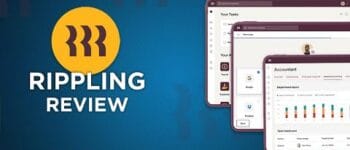
For a comprehensive evaluation, read our in-depth Rippling Review covering real-world implementation experiences.
How does Rippling’s pricing work? What is the real cost?
Rippling’s pricing is modular and transparent, structured as a combination of a base platform fee plus per-employee, per-month (PEPM) charges that vary by added modules.
- The mandatory base platform fee for the Rippling “Unity Platform” starts at approximately $8 PEPM. This core includes the centralized employee database, basic onboarding/offboarding workflows, and access to Rippling’s automation builder.
- Additional modules you add each incur separate PEPM costs. For example:
- Full-service Payroll: Manages tax filing, payments, and compliance automatically.
- Benefits Administration: Handles open enrollment and insurance carrier integration.
- Recruiting (Applicant Tracking System): Includes AI-powered candidate sourcing, interview tools, offer letter management, and job posting.
- Other Add-ons: Learning management, time and attendance tracking, IT cloud/device management, etc.
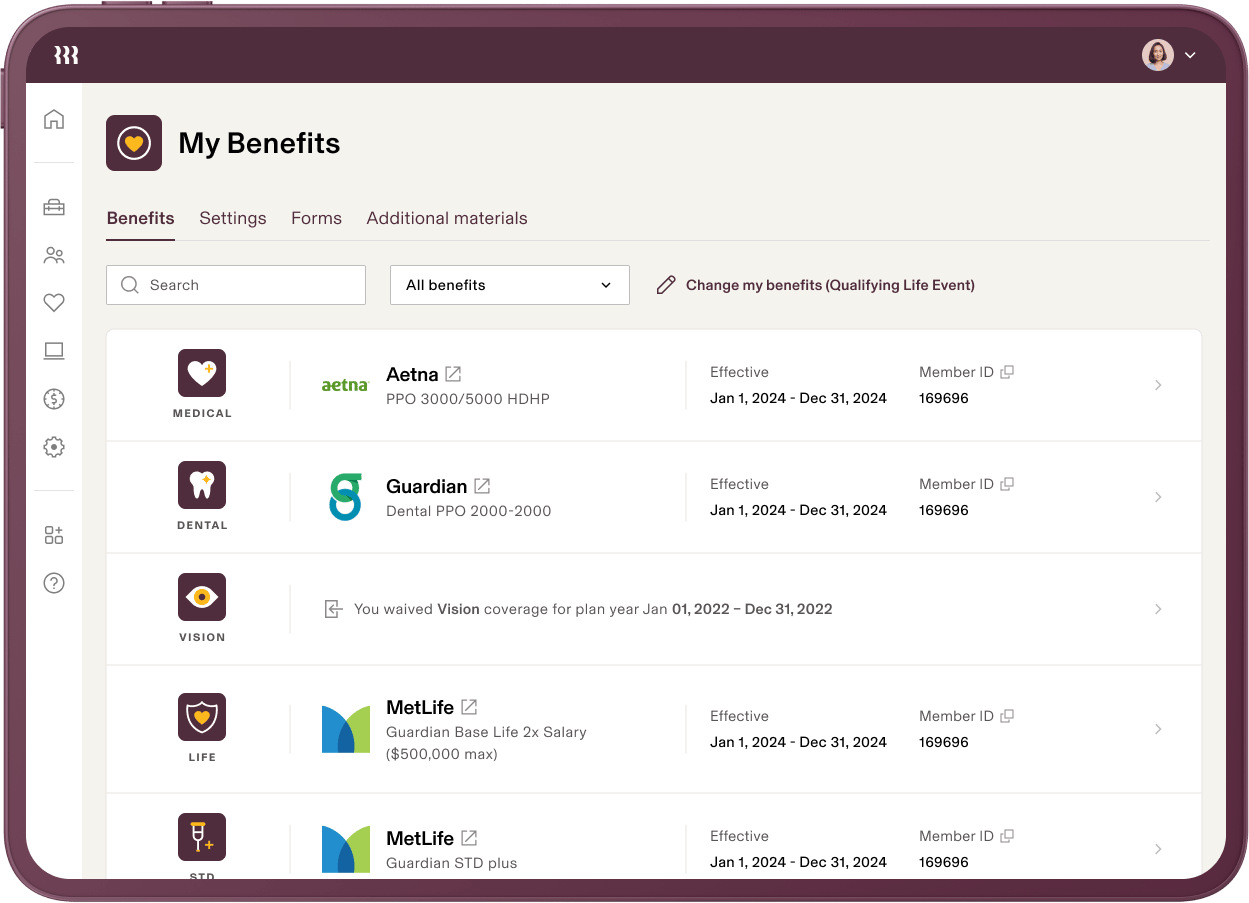
A company using Rippling for core HR, payroll, recruiting, and benefits should generally expect to pay between $20 and $35 PEPM, plus a one-time implementation fee.
The final cost depends on your specific combination of modules and company size.
Before purchase, it’s crucial to request a customized quote to understand the total cost of ownership fully, including implementation, ongoing software fees, and any add-ons you might need as your organization evolves.
This modular pricing supports flexibility but requires thoughtful planning to align budget and functionality.
Rippling vs. Gusto: Which is better for hiring and AI features?
The choice between Rippling and Gusto depends on your company’s main priorities and growth outlook.
- Gusto is a payroll-first platform focused on simplicity and ease of use. It is ideal for small businesses primarily wanting straightforward payroll and basic HR tools without advanced recruiting capabilities. Gusto lacks a native Applicant Tracking System (ATS) or robust AI recruiting features, so companies managing hiring through email or spreadsheets find it sufficient and cost-effective.
- Rippling is a unified workforce platform built for automation, scale, and recruiting complexity. Its dedicated ATS supports:
- Building custom hiring pipelines,
- Posting jobs across multiple boards,
- Communicating with candidates within the system,
- AI-powered resume parsing and candidate scoring,
- AI meeting assistant for interview transcription and analysis,
- Automated workflows tying recruiting directly into payroll and IT provisioning.
Rippling excels for companies actively hiring at volume and planning rapid growth, offering superior compliance management, integrated onboarding, and strategic analytics.
Summary:
- Use Gusto if payroll simplicity for a small, stable team is your primary need.
- Choose Rippling if you want an all-in-one HRIS with advanced AI recruiting capabilities to automate and scale the entire employee lifecycle.
If you’re considering alternatives, check out our comprehensive guide on Rippling Top Alternatives and Competitors for detailed comparisons.
Is Rippling SOC 2 and GDPR compliant for handling sensitive candidate data?
Yes. Rippling maintains rigorous security and privacy standards, including:
- SOC 2 Type II Certification: This industry-standard attests that Rippling’s internal controls protect customer data according to strict criteria for security, availability, confidentiality, and privacy consistently over time. Features include:
- Granular, role-based access controls to restrict sensitive data like salaries or performance records.
- Encryption of data in transit and at rest to safeguard against unauthorized access.
- Continuous monitoring and incident detection processes.
- GDPR Compliance: Rippling supports customers operating in the European Union by providing tools to help meet GDPR obligations such as:
- Managing Data Subject Access Requests (DSARs),
- Configuring lawful data retention policies,
- Ensuring candidate and employee consent for data collection and processing.
In addition, Rippling’s use of AI in recruiting (such as AI resume scoring and interview transcription) requires your HR teams to adopt best practices—including audit trails and bias assessments—while securing explicit candidate consent for recording interviews as mandated by applicable privacy laws (like GDPR and U.S. state laws such as California’s and Illinois’s regulations).
These certifications and compliance features reflect Rippling’s commitment to protecting sensitive employee and candidate data, mitigating legal risk, and enabling trust in AI-enabled HR processes.
What are the most common complaints or limitations of Rippling?
Despite widespread acclaim for its feature set and innovation, Rippling users often highlight three main pain points:
1. Complexity and Learning Curve:
Rippling’s comprehensive, all-in-one design—while powerful—can be overwhelming for small teams or organizations without dedicated HR specialists.
Configuring complex automation “recipes” and tailoring workflows requires upfront time and expertise.
Fully leveraging AI recruiting features involves strategic process mapping and training. Many users find a phased rollout approach essential.
2. Customer Support Model:
Support is primarily provided via email and chat rather than phone.
While extensive self-help documentation exists, some customers express frustration at slower response times for urgent payroll or benefits issues without a dedicated account manager.
This can slow critical problem resolution.
3. Modular Pricing Adds Up:
Although pricing is transparent, the modular nature means the total subscription cost can easily exceed initial expectations.
Essential modules like payroll, recruiting ATS, and benefits administration accumulate per-employee fees, resulting in a monthly cost significantly above the advertised base price.
Careful budgeting and clear communication during sales prevent surprises.
Expert Advice:
To avoid implementation fatigue and maximize ROI, start small. Launch core HR and payroll modules first, master them, then roll out recruiting features.
Gradual adoption allows your teams to become confident and ensures smooth cross-departmental workflows.
For practical guidance, explore our Rippling Tutorials and Usecase resource for step-by-step implementation strategies.
How can a company calculate the true ROI of implementing Rippling’s AI recruiting tools?
Calculating the Return on Investment (ROI) from Rippling’s AI recruiting tools involves analyzing three key areas:
1. Efficiency and Time Savings:
Measure the reduction in time your HR/recruiters spend on manual tasks, such as:
- Screening resumes (potentially 50-70% time reduction using AI match scores),
- Scheduling interviews (Rippling’s automation can cut this by over 80%),
- Completing onboarding paperwork (from hours to minutes).
Formula:
(Hours saved per month) × (average hourly wage of HR staff) = monthly efficiency savings
2. Cost Savings:
Calculate direct expense reductions, including:
- Eliminating or consolidating separate ATS, scheduling, or e-signature software subscriptions,
- Lower recruiter headcount needs or agency fees due to improved hiring throughput.
3. Strategic Value Impact:
More difficult to quantify but paramount:
- Faster time-to-fill reduces lost revenue from vacant roles,
- Improved quality of hire by identifying sources yielding top performers,
- Reduced early turnover through better onboarding increases retention and reduces costly replacements (typically 1.5–2× annual salary per lost employee).
Pro Tip:
Set baseline metrics before implementation (e.g., average time-to-fill, quality of hire benchmarks such as achieving quota or engineering velocity) and compare these to metrics after 6-12 months.
Use Rippling’s unified data reporting to correlate hiring source, interview evaluations, and employee outcomes.
This approach transforms ROI from cost-justification into a strategic advantage by linking recruiting investments to tangible business impact.
How long does it take to implement Rippling and migrate from an existing HR system?
The typical implementation timeline for Rippling varies by company size, data complexity, and the number of modules deployed, but for small to mid-sized businesses (20-200 employees), it usually ranges from 2 to 8 weeks.
Implementation phases:
1. Data Collection & Configuration (1-3 weeks):
Work with Rippling specialists to import employee data, payroll history, benefits info, and set up company policies and workflows.
Clean, organized source data accelerates this phase.
2. Employee Onboarding & Training (1-2 weeks):
Employees register, complete profiles, and enroll in benefits via Rippling’s user-friendly interface.
HR teams prepare to support questions during this transition.
3. Parallel Payroll Runs (1-2 payroll cycles):
To build confidence, run payrolls in Rippling alongside your old system and reconcile results thoroughly before full cutover.
4. Go-Live & Decommissioning (1 week):
Fully switch to Rippling as your HR/Payroll system of record and retire legacy platforms.
If you are only adding the Recruiting ATS module without payroll, the timeline can shrink to 1-2 weeks because no payroll or tax data migration is needed.
Phased rollouts allow the organization to learn in manageable increments, minimizing disruption and ensuring a smooth transition.
This Rippling FAQs resource is designed to empower HR professionals, recruiters, and business leaders with comprehensive, accurate, and actionable insights about Rippling’s AI-powered HRIS and recruiting capabilities, enabling data-driven decisions and strategic workforce management.
For additional resources and frequently asked questions, visit our complete Rippling FAQs page.


Leave a Reply