
Is Harver the Right AI Hiring Platform for You?
Take This 2-Minute Quiz to Find Out!
Key Takeaways
- AI-Powered Platform: Harver transforms traditional resume-based hiring with AI-driven candidate assessments and predictive matching
- Comprehensive Testing: Offers cognitive assessments, personality questionnaires, situational judgment tests, and immersive virtual job tryouts
- Fair Hiring: Implements algorithmic auditing and bias reduction protocols to ensure equitable recruitment outcomes
- Seamless Integration: Connects with major ATS platforms including Workday, Greenhouse, and SmartRecruiters for streamlined workflows
- Mobile-First Experience: Provides engaging, branded assessment portals optimized for all devices with immediate candidate feedback
Harver stands at the forefront of modern talent acquisition, revolutionizing how organizations identify and hire top talent. For HR professionals seeking comprehensive insights into this powerful AI-driven platform, this guide answers the most frequently asked questions about Harver’s capabilities, implementation process, and strategic advantages for high-volume recruiting.
Whether you’re evaluating Harver as a solution for your organization or looking to optimize your current implementation, this comprehensive FAQ addresses critical considerations around AI fairness, candidate experience, ATS integration, and return on investment. Explore how Harver Overview and Features can transform your hiring strategy with data-driven precision.

What is Harver and how does it use AI in the hiring process?
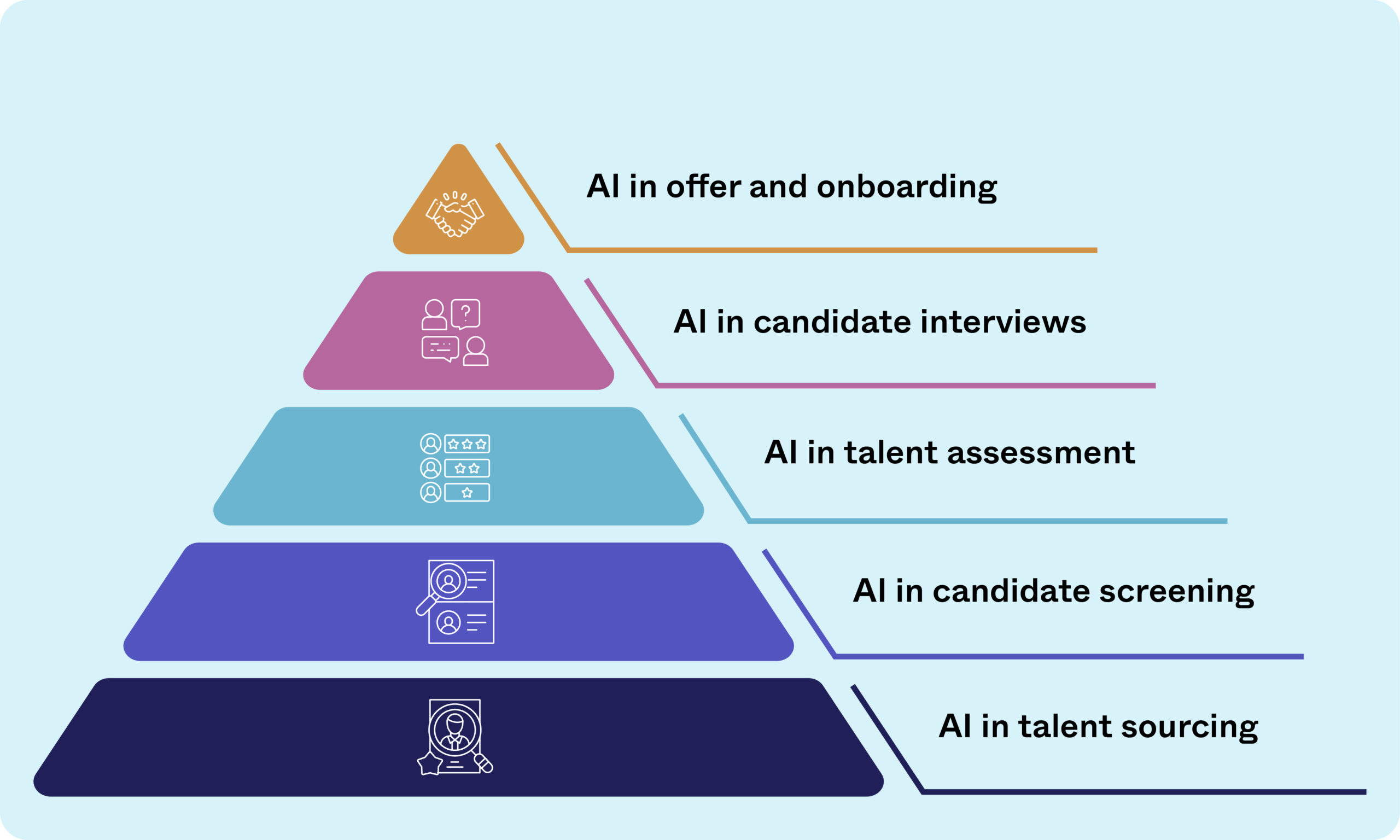
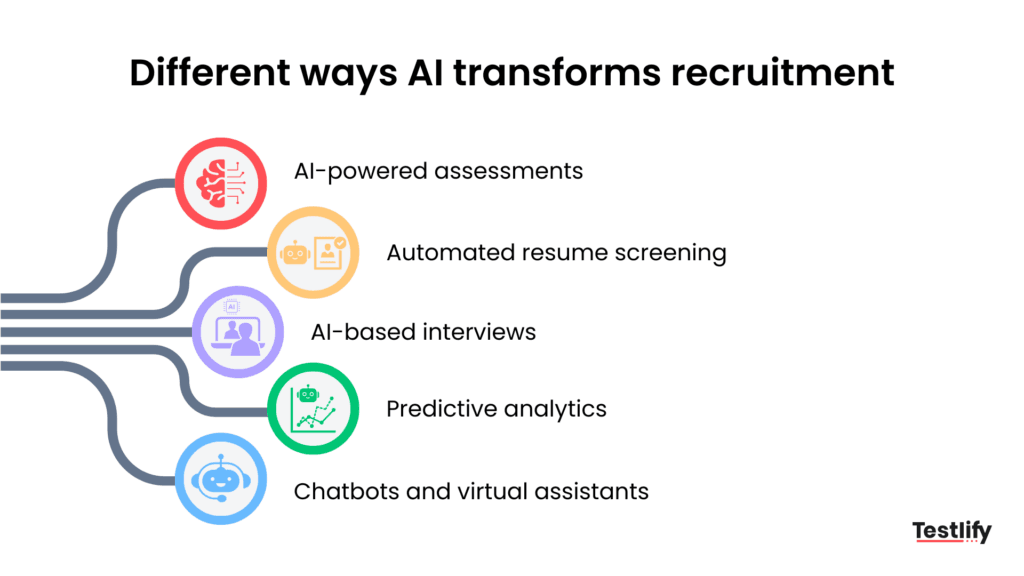
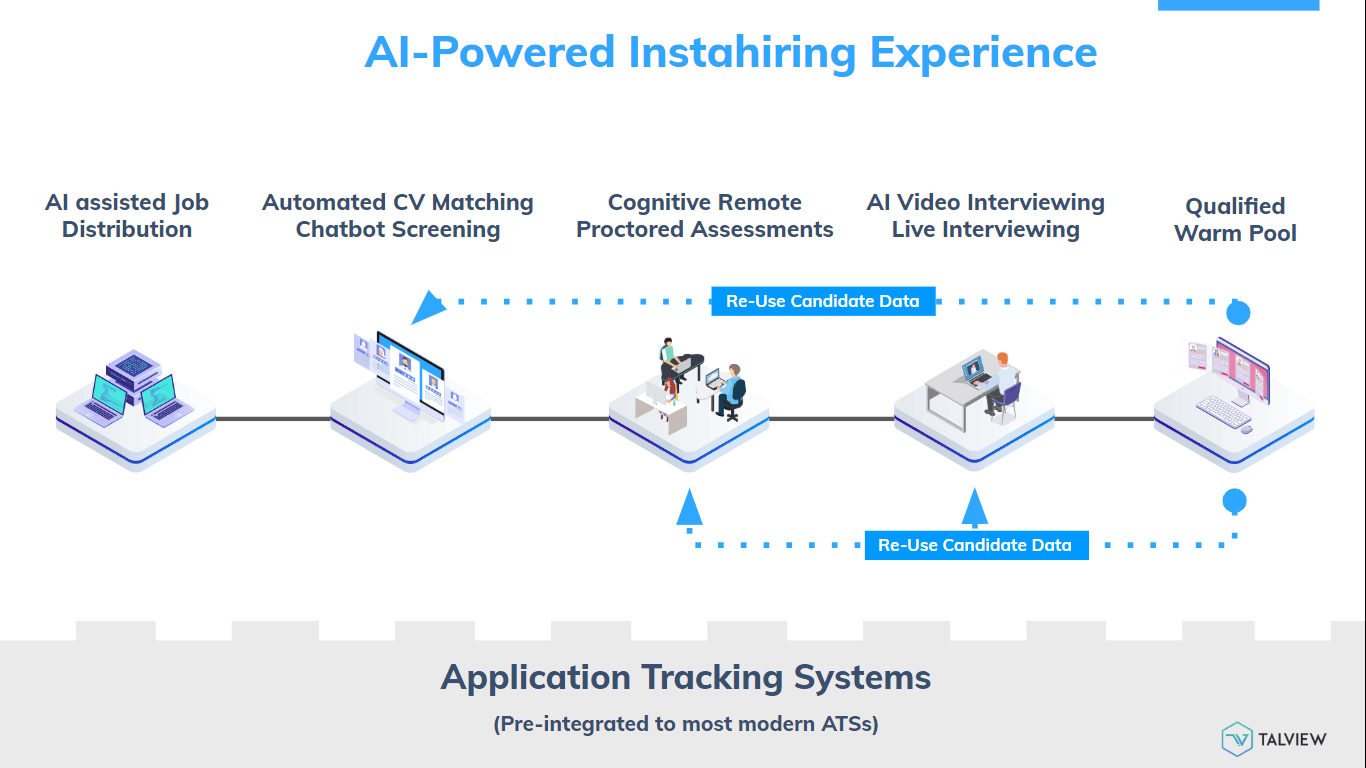
Harver is a comprehensive AI-powered talent acquisition and assessment platform that transforms high-volume recruiting by replacing traditional resume screening with data-driven candidate evaluation. The platform leverages artificial intelligence to automate and optimize every stage of the talent acquisition funnel, from initial candidate sourcing to final hiring decisions.
The AI capabilities of Harver work through several interconnected systems. First, its predictive matching algorithms analyze performance data from your top-performing employees to create detailed “success profiles” for specific roles. These profiles capture the cognitive abilities, personality traits, and behavioral competencies that correlate with job success in your organization. When candidates complete assessments, Harver’s AI compares their results against these validated success profiles to generate predictive scores.
The platform’s assessment modules utilize AI for real-time scoring of complex interactions, including Situational Judgment Tests that present role-specific scenarios, cognitive ability evaluations, and personality assessments based on established psychological frameworks. The AI ensures consistent, objective evaluation at scale while eliminating the unconscious biases common in traditional resume-based screening.
Additionally, Harver’s automation capabilities streamline administrative tasks by automatically sending assessment invitations, tracking candidate progress, and integrating results with your existing Applicant Tracking System. The platform continuously learns from hiring outcomes, refining its predictive accuracy over time through machine learning algorithms that analyze correlations between assessment scores and actual job performance.
For organizations struggling with high-volume hiring challenges, Harver represents a shift from subjective, manual processes to objective, data-driven talent acquisition that scales efficiently while improving both candidate experience and hiring quality. Organizations seeking to understand more about Harver’s capabilities can explore our detailed Harver Review for comprehensive analysis and expert insights.
What types of pre-employment assessments does Harver offer?
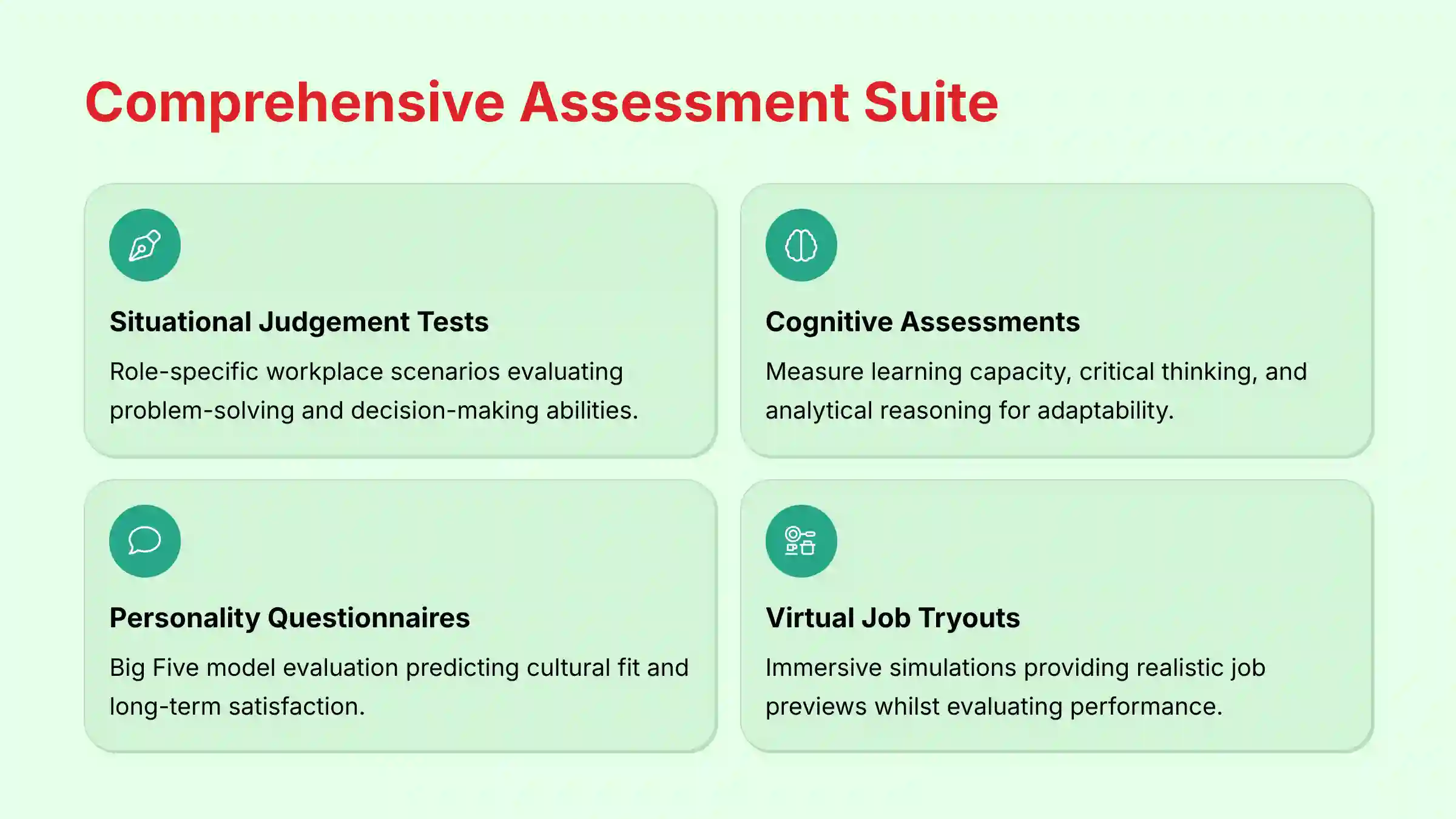
Harver provides a comprehensive suite of scientifically-validated assessment modules that can be customized and combined to create tailored evaluation workflows for virtually any role. These assessments are designed to measure job-relevant competencies rather than relying on traditional proxies like education level or previous employer prestige.
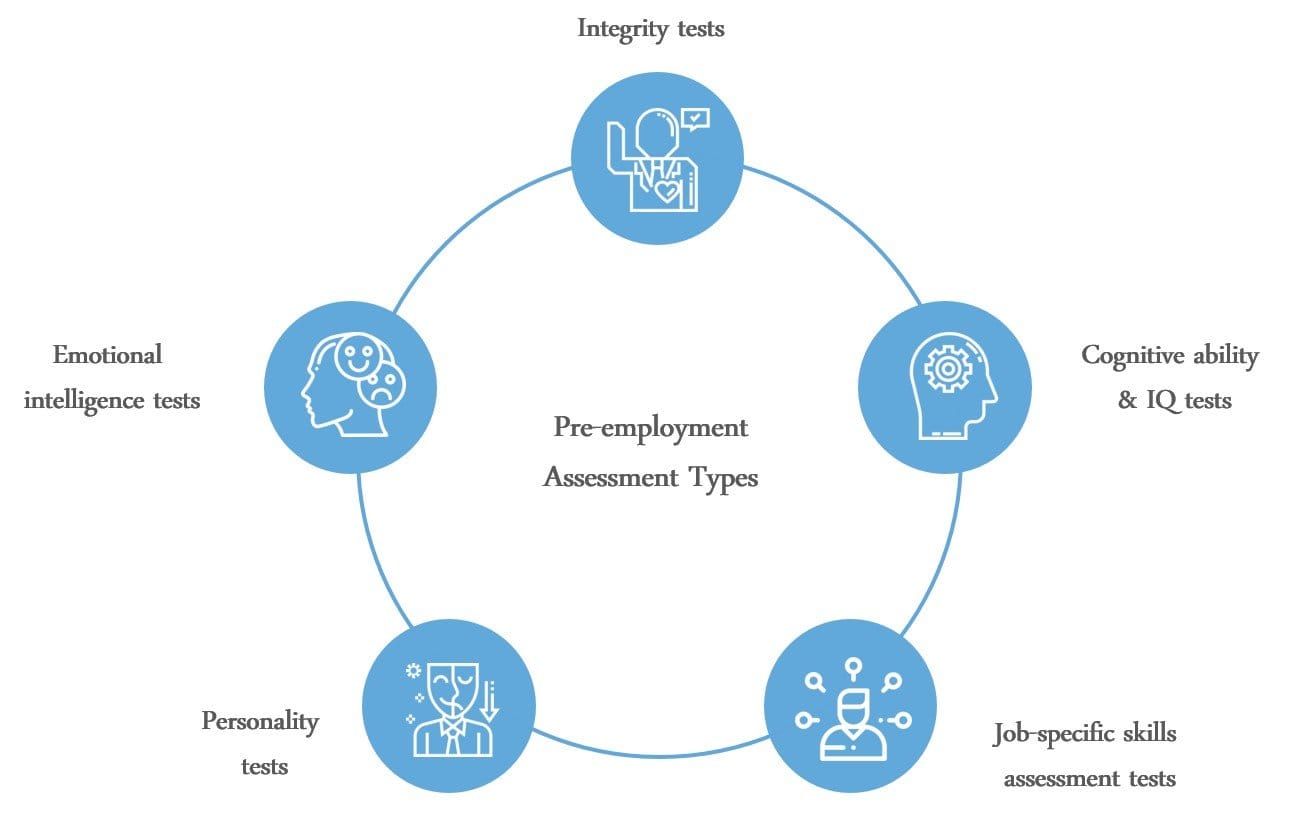
The platform’s core assessment categories include Situational Judgment Tests (SJTs), which present candidates with realistic, role-specific workplace scenarios requiring them to select the most effective course of action. These assessments are particularly valuable for evaluating practical problem-solving skills, cultural alignment, and decision-making abilities in contexts that mirror actual job responsibilities.
Cognitive ability assessments form another crucial component, measuring candidates’ capacity for learning, critical thinking, and analytical reasoning through modules focused on logical reasoning, numerical analysis, and verbal comprehension. These assessments predict a candidate’s ability to adapt to new challenges and acquire job-specific skills quickly.
Personality questionnaires, grounded in established psychological frameworks like the Big Five model, evaluate core personality traits including conscientiousness, emotional stability, and openness to experience. This data helps predict cultural fit and long-term job satisfaction while identifying candidates whose working styles align with team dynamics and organizational values.
The platform also offers specialized hard skill assessments tailored to specific roles, including typing speed tests for administrative positions, coding challenges for software developers, language proficiency evaluations for multilingual roles, and technical knowledge assessments for specialized positions.
Virtual Job Tryouts represent Harver’s most innovative assessment format, providing immersive simulations that allow candidates to experience realistic job tasks while the system evaluates their performance on key competencies. This approach improves candidate self-selection and provides hiring teams with behavioral data that traditional interviews cannot capture.
For organizations looking to compare Harver with other solutions, our comprehensive guide on Harver Top Alternatives and Competitors provides valuable insights for making informed platform selection decisions.
How does Harver ensure its AI assessments are fair and reduce hiring bias?
Harver addresses fairness and bias reduction through a comprehensive framework rooted in Industrial-Organizational psychology principles, advanced data science methodologies, and transparent algorithmic design. The platform is specifically engineered to mitigate the unconscious biases that frequently influence traditional resume screening and unstructured interview processes.
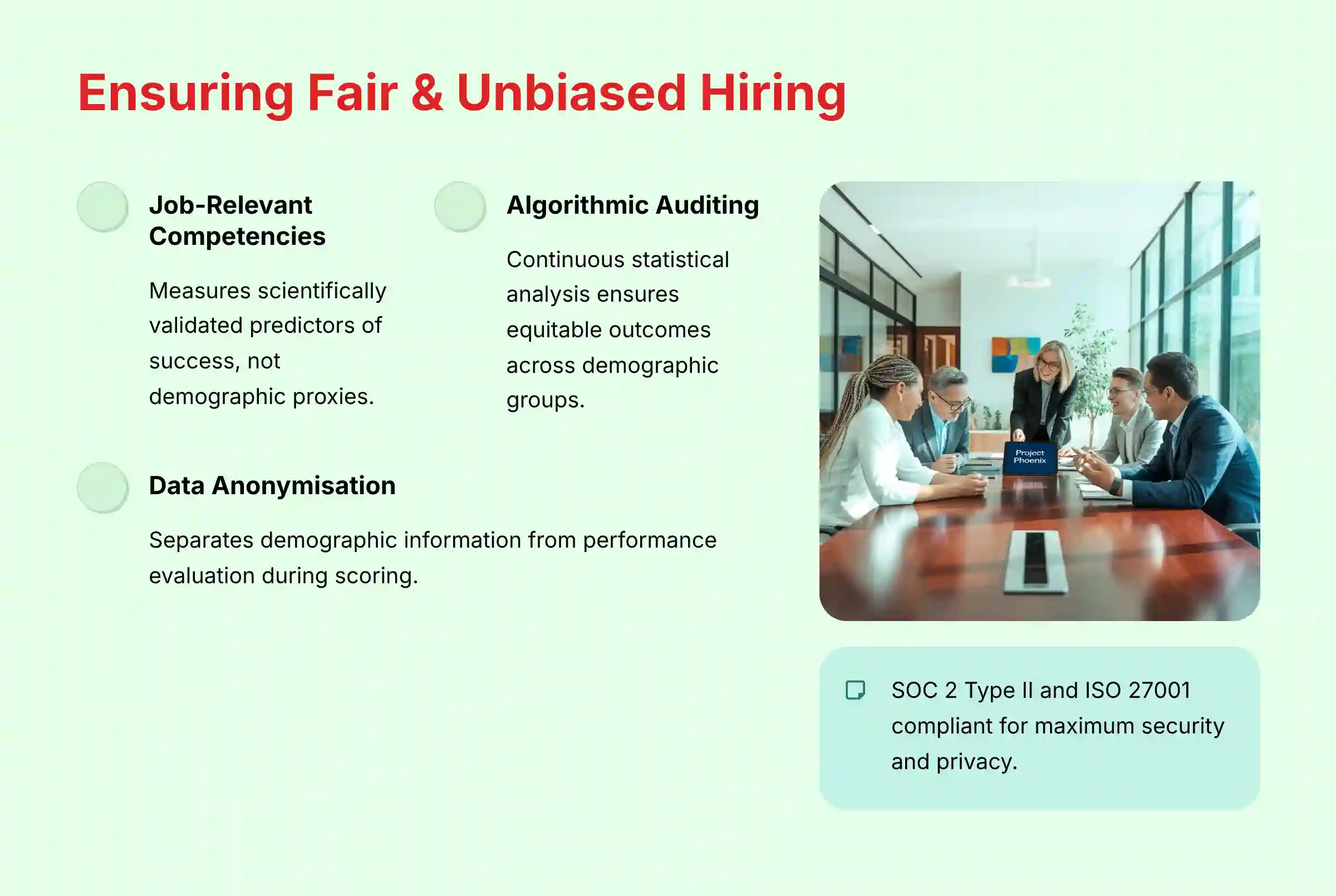
The foundation of Harver’s fairness approach centers on measuring job-relevant competencies that are scientifically validated as predictors of job success, rather than relying on demographic proxies or subjective criteria that can introduce bias. Assessment content is developed and regularly audited by I-O psychologists who ensure that all evaluation criteria directly correlate with essential job functions and performance outcomes.
Harver employs continuous algorithmic auditing to identify and eliminate adverse impact, conducting statistical analyses that examine whether protected groups are passing assessments at significantly different rates. When discrepancies are detected, the algorithms are adjusted to maintain predictive validity while ensuring equitable outcomes across demographic groups. This process follows EEOC guidelines and industry best practices for fair hiring.
The platform implements data anonymization protocols during the assessment scoring process, separating demographic information from performance evaluation to prevent algorithmic bias. Candidates undergo identical, standardized assessment processes for each role, creating consistent evaluation criteria that eliminate the variability and subjectivity inherent in manual screening methods.
Additionally, Harver maintains SOC 2 Type II and ISO 27001 compliance, ensuring that all candidate data is handled according to the highest security and privacy standards. The platform provides detailed reporting on assessment outcomes, enabling organizations to monitor their own hiring patterns and identify potential areas for improvement.
For maximum effectiveness, organizations should work with Harver’s team to conduct local validation studies after 6-12 months of implementation, correlating assessment scores with actual job performance metrics to ensure the system remains predictively valid and legally defensible within their specific organizational context.
Which Applicant Tracking Systems (ATS) does Harver integrate with?
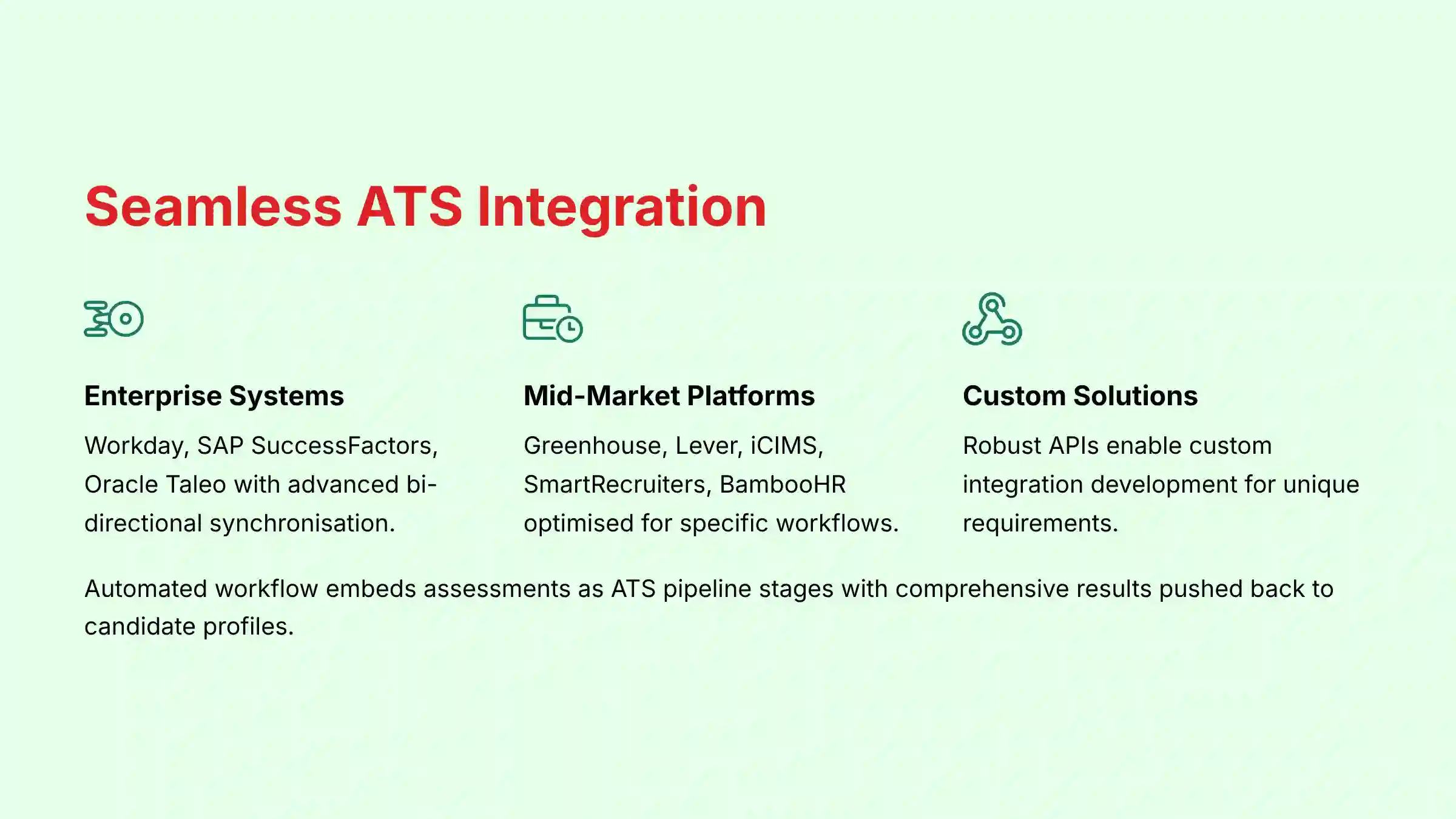
Harver offers extensive integration capabilities with major Applicant Tracking Systems, ensuring seamless data flow and workflow continuity within existing HR technology stacks. The platform provides pre-built, turnkey integrations for most leading ATS providers, eliminating the need for complex custom development in most implementation scenarios.
Enterprise-level integrations include comprehensive connections with Workday, SAP SuccessFactors, and Oracle Taleo, designed to handle complex organizational structures and high-volume hiring processes. These integrations typically support advanced features like automated job requisition mapping, bi-directional data synchronization, and detailed candidate status tracking across multiple hiring workflows.
Mid-market ATS platforms benefit from robust integrations with systems including Greenhouse, Lever, iCIMS, SmartRecruiters, BambooHR, Jobvite, and Bullhorn. These connections are optimized for the specific workflow patterns and data structures of each platform, ensuring that recruiters can manage the entire hiring process from their familiar ATS interface without switching between systems.
The standard integration workflow embeds Harver assessments as a specific stage within the ATS hiring pipeline. When candidates reach the assessment stage, they automatically receive branded invitations to complete their evaluations. Upon completion, comprehensive results including overall scores, detailed sub-component analysis, and predictive insights are pushed back into the candidate’s ATS profile, enabling recruiters to make informed decisions without manual data entry.
For organizations using custom or less common ATS platforms, Harver provides robust APIs that enable custom integration development. These APIs support real-time data exchange, webhook notifications, and flexible data mapping to accommodate unique organizational requirements.
Before implementation, organizations should clarify their integration requirements, as “deep” bi-directional integrations that pass detailed assessment data, candidate status updates, and automated workflow triggers provide significantly more value than basic integrations that only transfer final scores. The most effective implementations automatically pull job requisition details from the ATS to assign appropriate Harver assessments and return comprehensive candidate insights that enhance recruiter decision-making.
What is the candidate experience like when taking a Harver assessment?
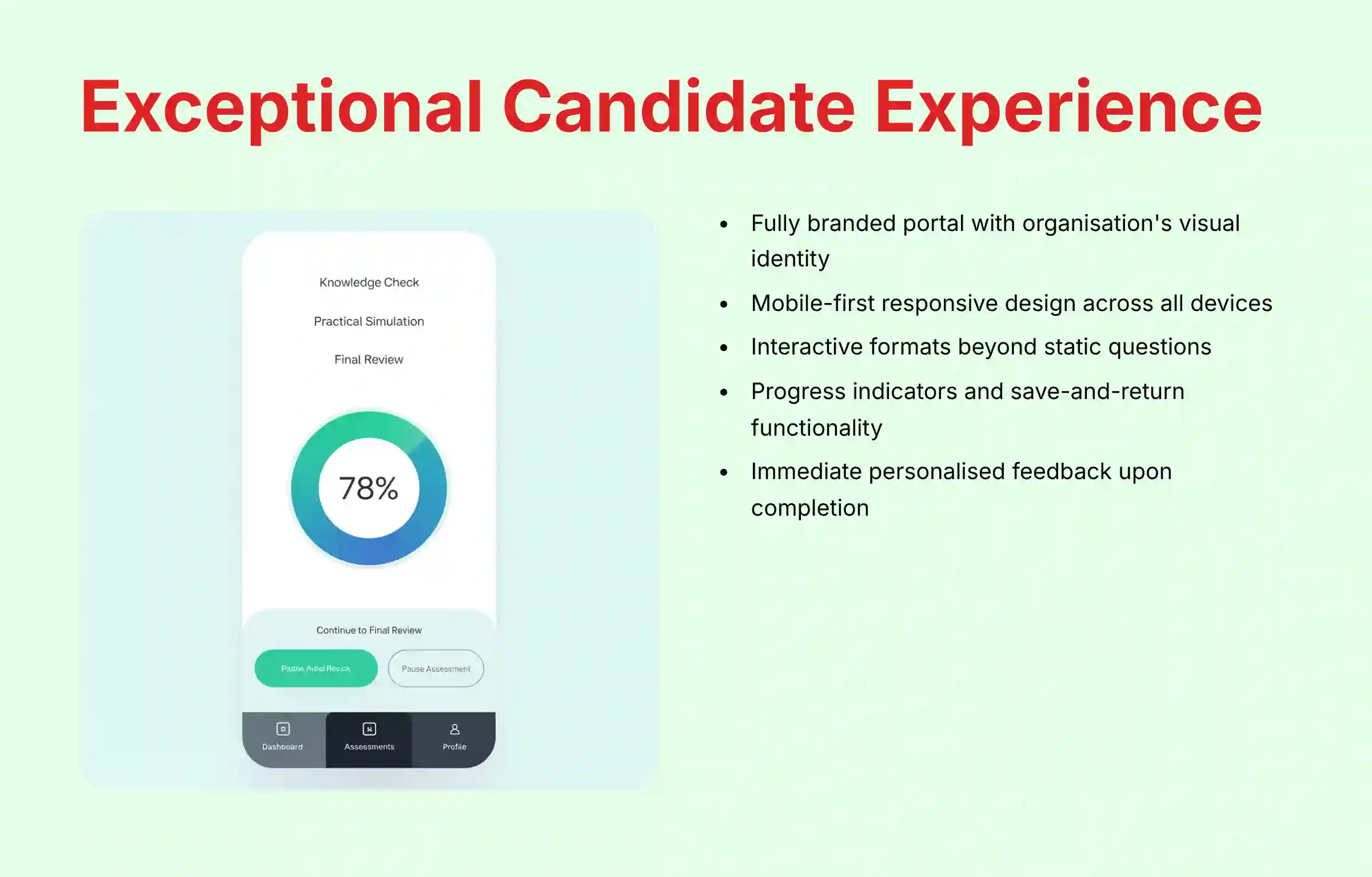
Harver prioritizes creating an engaging, professional, and mobile-optimized candidate experience that reflects positively on the hiring organization’s brand while providing meaningful insights into role expectations. The assessment platform is designed to feel like a natural extension of the application process rather than an external testing requirement.
The candidate journey begins with a fully branded assessment portal featuring the organization’s logo, colors, and messaging, creating visual continuity with the job application experience. Candidates receive clear, transparent communication about the assessment process, including estimated completion time, the types of evaluations they’ll encounter, and how the results will be used in hiring decisions. This transparency helps reduce test anxiety and builds trust in the process.
The assessment modules utilize interactive, engaging formats that move beyond static multiple-choice questions. Candidates may encounter drag-and-drop exercises, video response opportunities, realistic chat simulations, and immersive scenario-based evaluations that provide a preview of actual job responsibilities. The Virtual Job Tryout modules are particularly effective at helping candidates understand role expectations while generating valuable behavioral data for hiring teams.
Harver’s mobile-first design ensures optimal functionality across all devices—desktop computers, tablets, and smartphones—without requiring app downloads or special software installation. The responsive interface adapts seamlessly to different screen sizes while maintaining assessment integrity and user experience quality.
Organizations can configure the platform to provide immediate, personalized feedback to candidates upon assessment completion, highlighting their strengths and providing insights into the role requirements. This feature enhances candidate engagement and maintains positive brand perception even for candidates who may not advance in the hiring process.
The platform also includes progress indicators, clear navigation, and the ability to save progress and return to complete assessments later, accommodating candidates’ scheduling constraints and reducing drop-off rates. Technical support is available to candidates who encounter any difficulties, ensuring a smooth experience that reflects positively on the hiring organization’s commitment to candidate care.
Can Harver be customized for specific roles or industries?
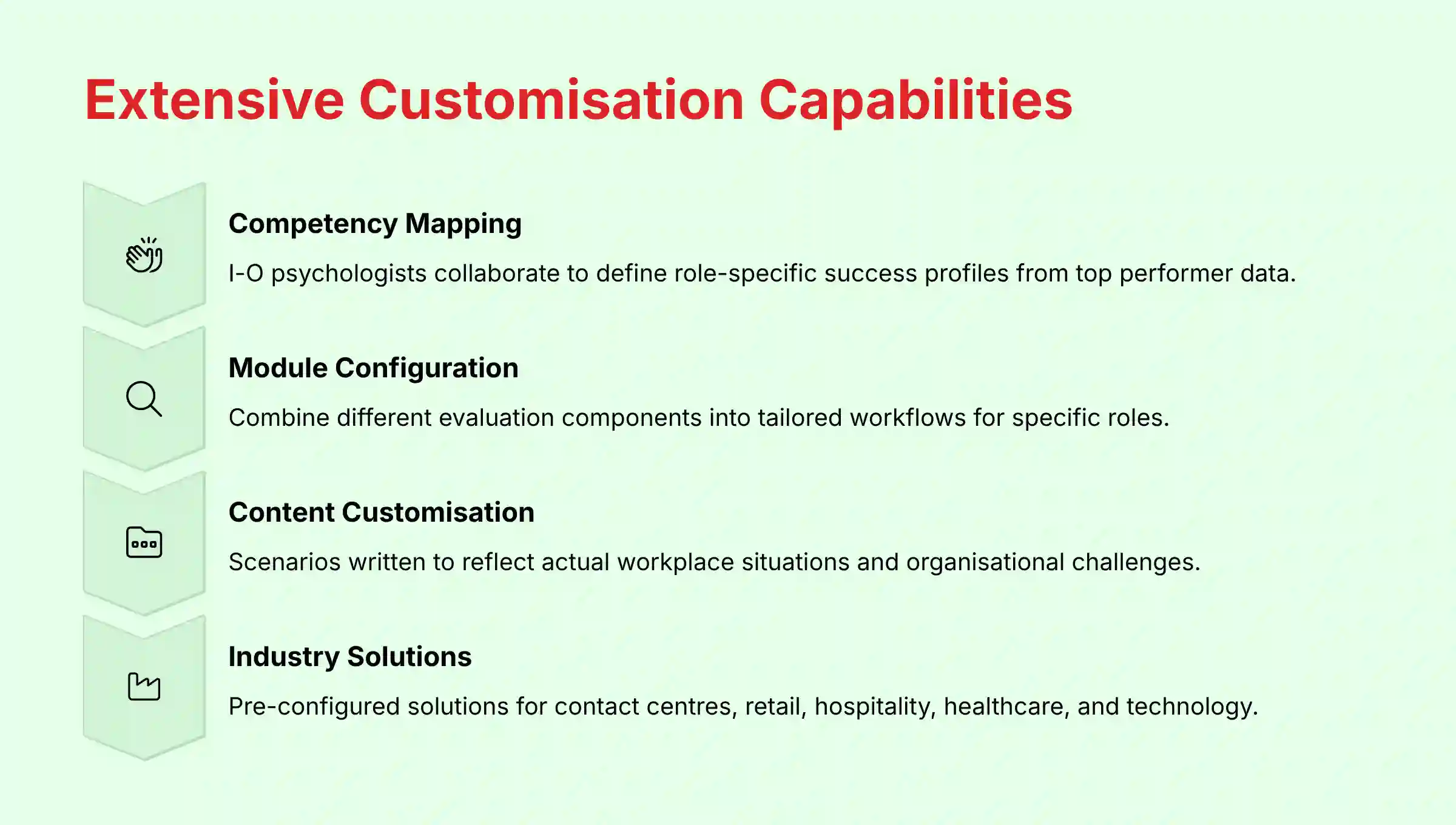
Harver’s platform architecture is built for extensive customization, enabling organizations to create highly targeted assessment solutions that reflect the unique competencies and challenges of specific roles, industries, and organizational cultures. This flexibility ensures that assessments are predictively valid and relevant rather than generic evaluations that may miss critical success factors.
The customization process begins with competency mapping, where Harver’s Industrial-Organizational psychologists collaborate with client HR teams to define success profiles for specific roles. This involves analyzing performance data from top performers, identifying key behavioral competencies, and understanding the specific challenges and requirements of the position within the organizational context.
Assessment module selection and configuration allow organizations to combine different evaluation components into tailored workflows. A customer service role might emphasize Situational Judgment Tests focused on empathy and problem resolution, while a finance position could prioritize numerical reasoning and attention to detail assessments. Software development roles might include technical coding challenges alongside cognitive ability and personality evaluations.
Content customization goes deeper, particularly with Situational Judgment Tests, where scenarios can be written to reflect actual workplace situations and challenges that employees encounter in specific roles and organizations. This level of customization ensures that assessments measure relevant competencies while providing candidates with realistic job previews that improve self-selection and reduce early turnover.
Harver has developed industry-specific solutions for sectors with high-volume hiring needs, including contact centers, retail, hospitality, healthcare, and technology. These pre-configured solutions incorporate industry research and best practices while serving as starting points for further customization based on organizational requirements.
The platform also supports role hierarchy customization, enabling organizations to create different assessment levels for entry-level, experienced, and leadership positions within the same functional area. This ensures that evaluation criteria appropriately match experience expectations and role complexity.
Advanced customization options include custom scoring algorithms, specialized reporting formats, and integration with organization-specific performance metrics to continuously validate and refine assessment accuracy over time. For organizations seeking practical implementation guidance, our Harver Tutorials and Usecase resource provides step-by-step guidance and real-world examples.

How does Harver’s pricing model work?
Harver operates on a customized annual subscription pricing model that scales with organizational hiring volume and complexity rather than simple per-candidate or per-assessment fees. This approach reflects the platform’s positioning as a strategic talent acquisition solution designed for ongoing, high-volume recruiting rather than occasional hiring needs.
The primary pricing factors include expected annual hiring volume, as subscription tiers are structured to accommodate different scales of candidate assessment activity. Organizations with higher hiring volumes typically achieve lower per-candidate costs through volume-based pricing tiers, making the platform more cost-effective for companies with substantial recruiting needs.
The number of unique job profiles requiring custom assessment development influences pricing, as each role may require specific competency modeling, content development, and validation work from Harver’s I-O psychology team. Organizations hiring for multiple distinct positions may require additional investment in assessment customization and configuration.
Feature selection affects subscription costs, as organizations can choose from different modules including basic assessment capabilities, advanced video interviewing features, comprehensive analytics and reporting tools, and premium integration options with enterprise ATS platforms. Higher service tiers include access to dedicated customer success management and advanced professional services.
Implementation and support services are typically factored into the annual subscription, including initial setup, ATS integration, user training, and ongoing technical support. Organizations requiring extensive customization, local validation studies, or dedicated I-O psychology consulting may require additional professional services investments.
Geographic considerations can influence pricing, particularly for organizations operating in multiple countries with different compliance requirements, language needs, or data sovereignty regulations. International implementations may require additional setup and ongoing support resources.
Because of this highly customized approach, Harver does not publish standard pricing lists. Organizations interested in the platform must engage with the sales team for a comprehensive consultation that assesses specific hiring needs, integration requirements, and desired feature sets to generate accurate pricing proposals. This consultative approach ensures that organizations receive solutions appropriately sized for their requirements and budget parameters.

What is the implementation process for Harver and how long does it take?
The Harver implementation process follows a structured, collaborative methodology managed by dedicated implementation consultants who guide organizations through each phase of deployment. The timeline typically ranges from 4-8 weeks for standard implementations, with more complex customizations or enterprise integrations potentially extending to 10-12 weeks.
The discovery and kick-off phase establishes project foundations through comprehensive stakeholder meetings involving HR leadership, talent acquisition teams, IT personnel, and Harver’s implementation specialists. This phase defines project scope, success metrics, timeline expectations, and identifies the specific roles and competencies to be assessed. Clear communication protocols and project management structures are established to ensure smooth coordination throughout the implementation.
Solution design and customization involves Harver’s I-O psychologists and solution architects working closely with client teams to select appropriate assessment modules, customize content for specific roles, and configure scoring algorithms based on organizational success profiles. This phase includes developing role-specific Situational Judgment Test scenarios and establishing the assessment workflow that candidates will experience.
Technical integration represents the most complex phase, involving detailed configuration of connections between Harver and the client’s Applicant Tracking System. This includes data mapping, API configuration, testing of bi-directional data flow, authentication setup, and ensuring seamless candidate handoff between systems. IT teams from both organizations collaborate closely to address any technical requirements or security protocols.
User Acceptance Testing provides thorough validation of the complete workflow before go-live. Client HR teams test the entire candidate journey from application through assessment completion, verify that results appear correctly in their ATS, and confirm that all workflow automation functions as designed. Any identified issues are resolved during this phase.
Training and go-live preparation includes comprehensive training sessions for recruiters, hiring managers, and system administrators covering platform navigation, assessment result interpretation, best practices for using assessment data in hiring decisions, and ongoing system maintenance. Training is typically delivered through a combination of live sessions and self-paced online resources.
Post-launch support ensures successful adoption through dedicated customer success management, ongoing technical support, and planning for future optimization activities such as validation studies and assessment refinement based on hiring outcomes. This phase establishes long-term success metrics and continuous improvement processes.
What kind of support and training does Harver provide to HR teams?
Harver provides comprehensive, multi-tiered support and training programs designed to ensure successful platform adoption and long-term strategic value realization. The support framework addresses both immediate technical needs and ongoing strategic optimization requirements through dedicated human resources and extensive self-service capabilities.
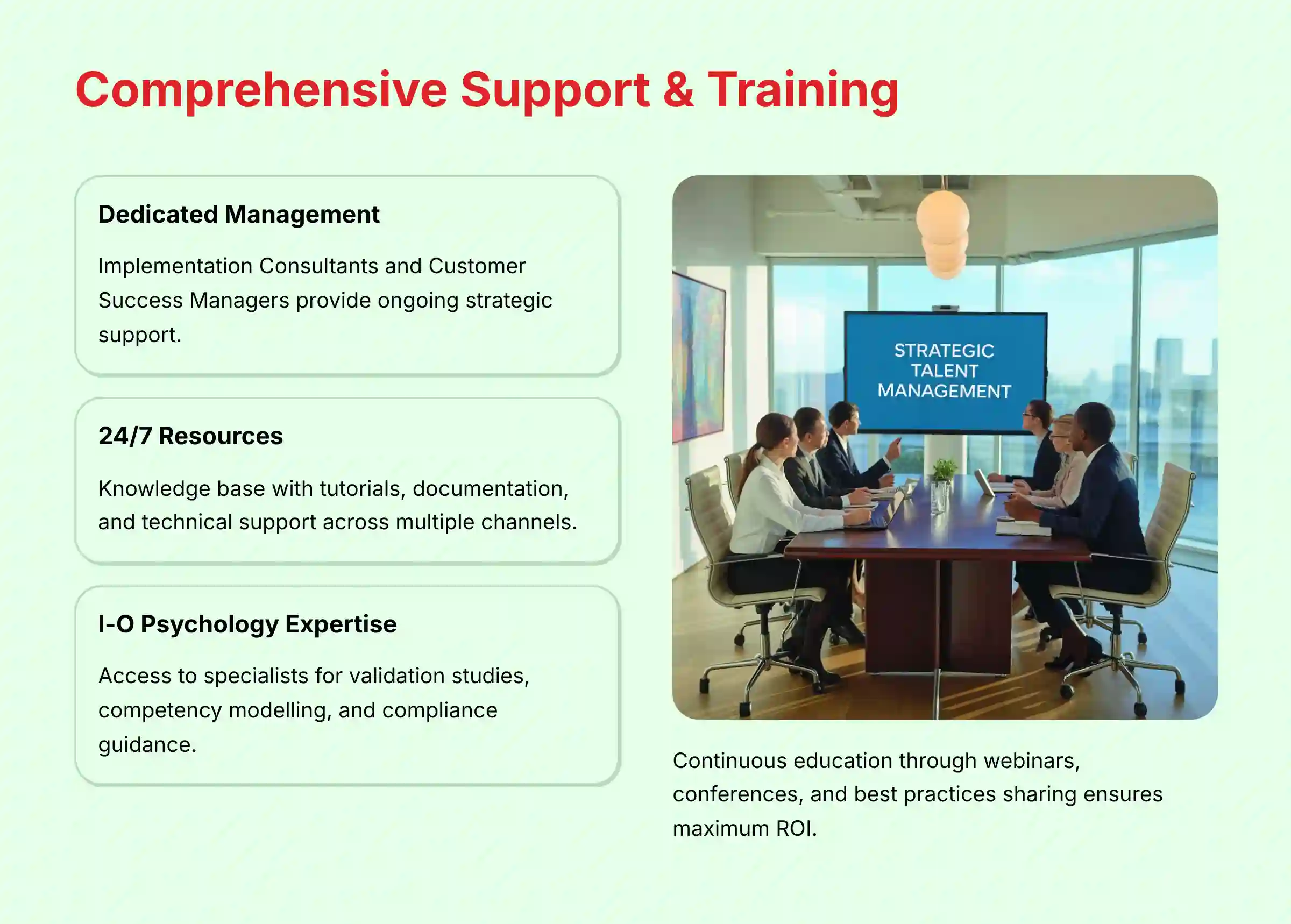
Dedicated relationship management begins with assigned Implementation Consultants who guide organizations through the setup process, followed by Customer Success Managers who provide ongoing strategic support, best practices guidance, and help organizations achieve their specific hiring objectives. These relationships ensure continuity and deep understanding of each client’s unique requirements and goals.
Technical support is available through multiple channels including email, phone, and online support portals, with defined Service Level Agreements that vary based on subscription tier. The technical support team addresses integration issues, troubleshooting, software bugs, and configuration questions with expertise in both Harver’s platform and common ATS integrations.
The comprehensive knowledge base provides 24/7 access to detailed documentation, step-by-step tutorials, video demonstrations, and frequently asked questions covering all aspects of platform usage. This resource is continuously updated with new features, best practices, and solutions to common challenges identified through client feedback.
Training programs include formal onboarding sessions for all user types, from recruiters who will be inviting candidates and reviewing results, to hiring managers who will be interpreting assessment data in interview contexts. Training covers both tactical platform usage and strategic applications, including how to use assessment data to conduct more effective interviews and make better hiring decisions.
Access to Industrial-Organizational psychology expertise sets Harver apart from many technology vendors. Clients can engage with I-O psychologists for advanced projects including competency modeling for new roles, conducting validation studies to ensure assessment effectiveness, addressing compliance concerns, and optimizing assessment configurations based on hiring outcomes data.
Ongoing education resources include webinars, user conferences, and industry best practices sharing that help clients stay current with talent acquisition trends and maximize their return on investment in the platform. This continuous learning approach ensures that organizations can evolve their hiring strategies as their needs change and the platform capabilities expand.
For organizations seeking additional context about Harver’s position in the broader talent acquisition landscape, exploring comprehensive resources on Best 10 AI for Talent Acquisition provides valuable perspective on industry-leading solutions and emerging technologies.
Understanding Harver’s comprehensive capabilities, from its AI-powered assessment modules to its extensive integration ecosystem, positions organizations to make informed decisions about modernizing their talent acquisition strategies. The platform’s commitment to fairness, candidate experience, and measurable outcomes makes it a compelling choice for organizations seeking to transform high-volume hiring through data-driven precision.
Whether you’re exploring Harver as a potential solution or optimizing your current implementation, the key to success lies in leveraging the platform’s full customization capabilities, ensuring proper ATS integration, and maintaining ongoing collaboration with Harver’s expert team. For organizations ready to move beyond traditional resume screening toward predictive, AI-powered talent acquisition, Harver represents a strategic investment in hiring excellence and organizational growth.
For comprehensive insights into Harver’s capabilities and detailed answers to additional questions, explore our complete Harver FAQs resource to maximize your platform knowledge and implementation success.

Leave a Reply